Lifeline Space is a competent, zero-latency reverb plugin from Excite Audio that gets a lot right for $19, but it's not the last reverb you'll ever need.
We dropped it onto a lead vocal during a late-night session, pulled up the Hall algorithm, and had something workable in under 30 seconds. That's the honest pitch for this thing. Fast to use. Sounds decent. Won't empty your wallet.
But we kept it in the session long enough to find the edges. And there are edges.
This review is for producers who are building their plugin arsenal on a budget, or anyone curious whether Excite Audio's entry-level reverb punches above its price. We tested it across vocals, drums, synths, and guitar over several sessions. Here's what we found.
What Lifeline Space Actually Does (and Where It Stops)
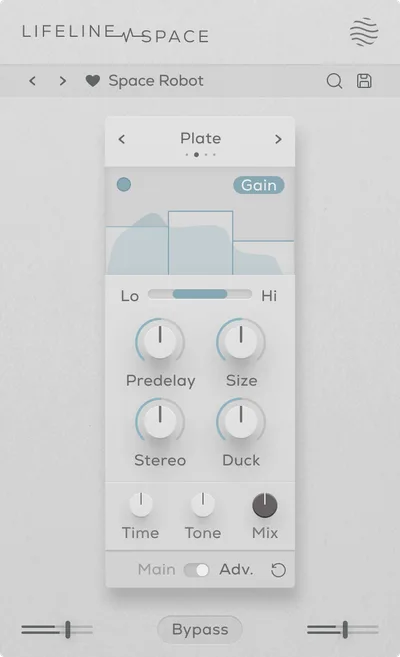
Lifeline Space ships with four reverb algorithms: Hall, Plate, Spring, and Slap. It runs at zero latency, includes 50 presets, and integrates with Excite Audio's broader Lifeline Expanse modular system.
It works as a standalone insert or as part of that larger ecosystem. That modularity is a smart design choice, and we'll come back to it.
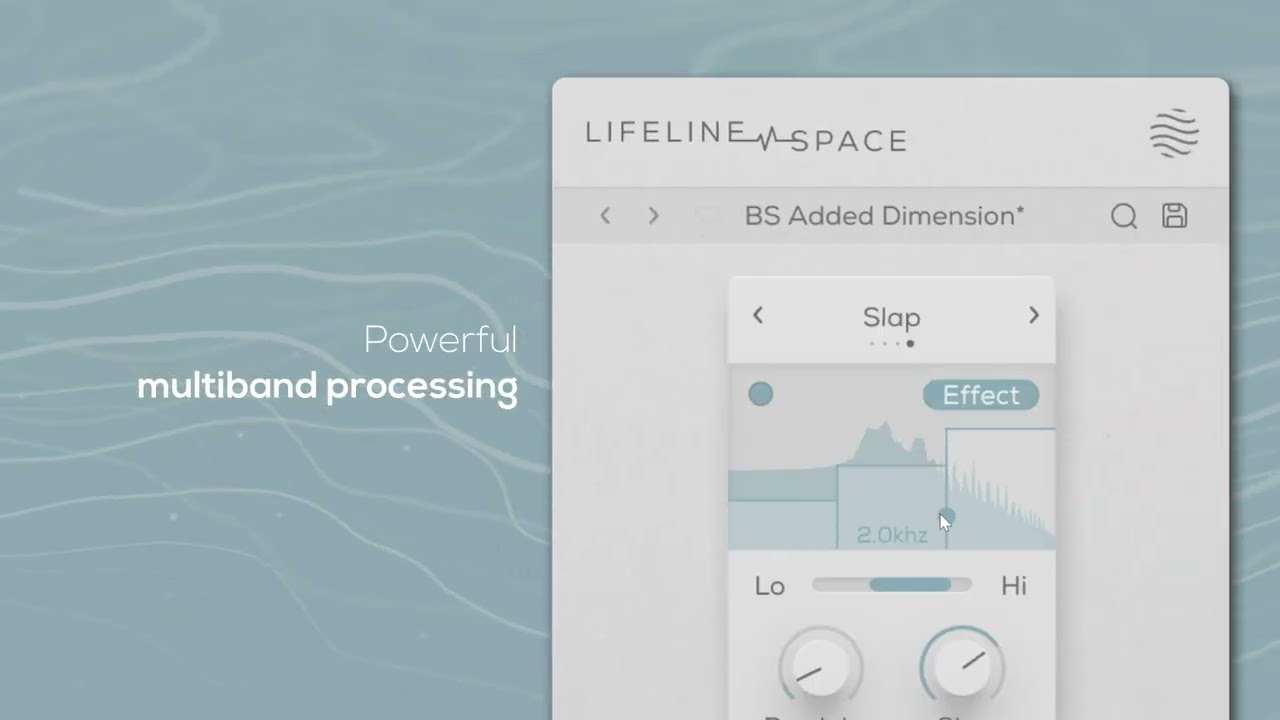
What it's not: a deep-editing room simulator. There's no per-algorithm early reflection control. No true stereo imaging per algorithm type. The multiband processing is present but thin compared to what you'd get in FabFilter Pro-R or even some mid-tier alternatives.
If you're doing detailed post-production, scoring for picture, or you need reverb with serious character, you'll outgrow this fast. It's built for speed and accessibility, not for obsessive sound design.
For a deeper look at how reverb algorithms are architected, our reverb plugin fundamentals guide covers the technical groundwork.
Living With Lifeline Space
Setup took about three minutes. iLok-free activation, standard installer, shows up in your DAW immediately. We tested in Ableton Live 12, Logic Pro, and FL Studio 21. No issues across any of them.
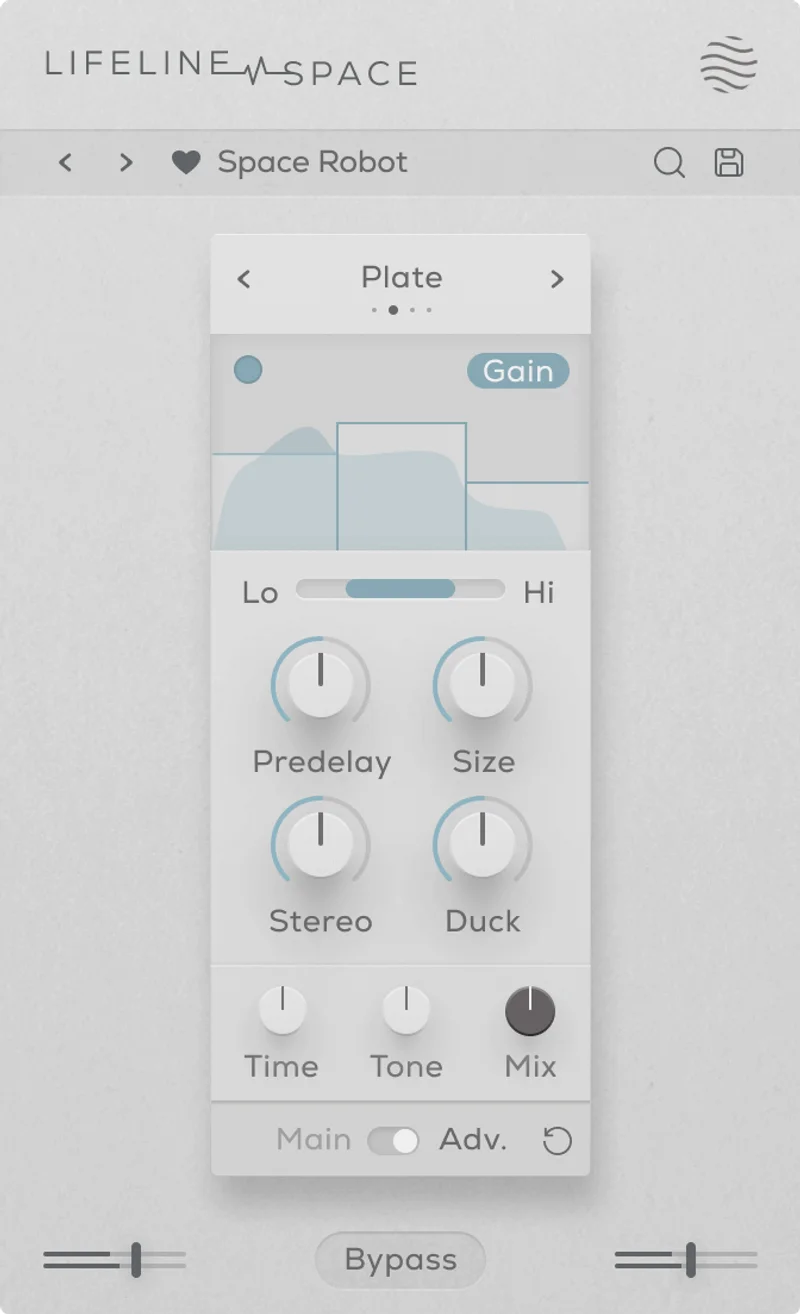
The interface is clean. Maybe too clean. There's a handful of macros per algorithm, a pre-delay knob, a size control, and the multiband section. You'll dial in a usable sound fast.
Here's a specific moment. We put Lifeline Space on a snare bus, selected the Plate algorithm, set size to around 40%, dialed pre-delay to 18ms, and cut the low multiband shelf below 200Hz. The snare sat in the mix without muddying the kick. Took about 90 seconds. That's genuinely satisfying for a $19 plugin.
The Spring algorithm is where things get more interesting, and more frustrating. We ran a clean Rhodes patch through it with size at 60% and decay around 1.8 seconds. The spring character is there, but it feels like a polished approximation rather than something with real tension and drip. It's smooth where springs are supposed to be slightly ugly.
The Slap algorithm is the most underrated of the four. Short, tight, works beautifully on vocals that need air without wash. Set decay below 0.4 seconds and it sits right.
CPU load stayed low across all four algorithms in our tests. We ran eight simultaneous instances in a dense Ableton session without issues. That matters if you're on an older machine.
The Trade-Offs
Here's where we have to be honest. The value story is real. At $19, you're getting four algorithms, zero latency, 50 presets, and solid DAW compatibility. That's a fair deal.
But value doesn't mean best-in-class. Valhalla Room costs more and sounds noticeably richer on rooms and halls. The density of early reflections, the way the tail breathes, the algorithm depth: it's a different league. Lifeline Space's Hall algorithm in particular sounds slightly sterile above 2.5 seconds of decay. The tail doesn't have the organic spread you'd want on a long ambient pad.
The multiband processing is the feature we wish worked harder. You get three bands with basic gain control. That's it. There's no per-band decay shaping, no frequency-specific diffusion. It keeps mud out of the low end, which is useful. But it's not doing anything a good high-pass on the reverb send couldn't approximate.
The 50 presets are a genuine time-saver. About 30 of them are actually useful starting points rather than showcase patches nobody would use in a real session. That's a better preset-to-useful ratio than most plugins at this price.
Against the Field
Let's be direct about where each alternative wins.
Valhalla Room: Better algorithm depth on halls and rooms. Worth the extra spend if reverb is a core part of your sound. Lifeline Space wins on price only.
Valhalla Supermassive (free): More creative range for ambient textures. If you want wash and atmosphere, this beats Lifeline Space at every price point. Lifeline Space wins on UI clarity and preset organisation.
FabFilter Pro-R: Better for detailed post-production and mix-critical work. Lifeline Space wins on budget and zero-latency operation.
Excite Audio Lifeline Expanse (their broader system): If you're already in the Lifeline ecosystem, Space integrates well. That modularity is one of the stronger arguments for it.
For a plugin that sits in a similar creative space, we reviewed the SoundToys SpaceBlender, which handles the weirder end of reverb design very differently.
The Real Verdict
Lifeline Space is a clever $19 plugin that does exactly what it says. Zero latency, four algorithms, works everywhere. For producers building a budget toolkit, it earns its place.
But we'd push you toward Valhalla Room if you can stretch to a higher budget. The algorithm quality is noticeably better, and reverb is too central to most productions to compromise on sound if you have a little more to spend.
If $19 is your ceiling right now, Lifeline Space is the right call. It's not a compromise you'll be embarrassed by.
It's wrong for anyone doing detailed post-production, mix engineers who need serious reverb character, or producers where spatial sound is a signature element. For them, this is a starting point, not a destination.
Score Breakdown
| Category | Score | Notes |
|---|---|---|
| Sound Quality | 3.5/5 | Plate and Slap are strong; Hall loses character above 2.5s decay |
| Value for Money | 4.5/5 | $19 for four working algorithms is hard to fault |
| Ease of Use | 4.5/5 | Clean UI, fast preset browsing, zero-latency is a real workflow win |
| Features | 3.0/5 | Multiband is thin; no modulation; limited per-algorithm depth |
| CPU Efficiency | 4.5/5 | Eight instances in a dense session without issues |
| Overall | 3.8/5 | Solid budget reverb that outperforms its price, not its category |
Alternatives to Consider
Valhalla Room: Our first recommendation if you can go above $19. The hall and room algorithms have a density that Lifeline Space can't match. Compare reverb plugin types to understand what you're trading when you step up.
Valhalla Supermassive (free): Specifically for ambient and textural work. No presets in the traditional sense, more hands-on, but the sound is brilliant for wide atmospheric reverbs. It's free. Start there if you want to experiment.
SoundToys SpaceBlender: A different beast entirely if you want reverb with serious creative character. We broke that one down in full here: SpaceBlender review.
If you're still shopping and want to understand how to evaluate reverb algorithms before spending anything, the reverb plugins buying guide is worth 10 minutes of your time.
Lifeline Space is a $19 plugin that sounds like a $19 plugin, in the best possible way. Buy it if that's your budget. Skip it if you can afford more and reverb matters to your sound.
Frequently Asked Questions
Is Lifeline Space good enough for professional mixes?
For background reverbs, vocal rooms, and light drum processing, yes. We've used it on finished sessions without anyone noticing it wasn't a premium plugin. Where it shows limits is on long, dense reverb tails that need real character. If that's the centrepiece of your sound, you'll want Valhalla Room or FabFilter Pro-R instead.
Does Lifeline Space work with all major DAWs?
We tested it in Ableton Live, Logic Pro, and FL Studio without any issues. Excite Audio lists compatibility with Pro Tools and Cubase as well. It runs VST3, AU, and AAX formats, so it covers the full spread. Activation doesn't require iLok, which we appreciate.
What's the difference between the four algorithms?
Hall is for large spaces with long decays, best on pads and strings. Plate is the most versatile, works on snares, vocals, and guitars. Spring emulates physical spring tank reverb, suited for guitar and lo-fi textures. Slap is a short, tight algorithm that adds air without wash, and it's the most underrated of the four. We'd use Slap on lead vocals before Hall in most sessions.
How does Lifeline Space fit into the Lifeline Expanse system?
Lifeline Expanse is Excite Audio's broader modular plugin ecosystem. Space is one module within it, and buying it separately gives you the reverb engine as a standalone insert. If you later build out the Expanse system, Space integrates directly with the other Lifeline processors. It's a smart way to build incrementally rather than committing to a full bundle upfront.