Can Quadra Replace 4 Vintage Synths in Your 2026 Rig?
By Salvatore Tomaselli·2 albums, 6 singles as Lord Reverb. Now I test the gear that made them.
·Updated October 4, 2026
Affiliate disclosure: Some links in this article are affiliate links. If you buy through them we earn a small commission at no extra cost to you. We only recommend products we genuinely believe in — our editorial opinions are never influenced by affiliate relationships. Full policy
⭐
Score4.2 / 5
⏱
Read time9 min read
4.2/5
★★★★☆
Best forProducers and composers who need vintage 70s string machine, bass, and lead tones in one plugin without paying vintage hardware prices
Price at Plugin Boutique, checked Oct 25, 2026. It can change. Affiliate link: we earn a commission at no extra cost to you.
✓ Pros
+Remarkably low CPU load for a four-section synth
+Over 400 presets programmed by industry veterans
+Independent key range splits unlock serious live and studio layering
+Multi-out version routes each section separately for precise mixing
✗ Cons
−Lead synth section can't compete with dedicated dual-osc synths at the same price point
−No built-in modulation matrix beyond what the original hardware offered
−UI magnification is one-click but the default size is cramped on smaller screens
Cherry Audio's Quadra is most often compared to Arturia's Juno-106 V and the string machine sections inside Omnisphere, and here's where we land: Quadra wins the moment you need all four vintage voices split across a keyboard at the same time, without wrestling three separate plugins into shape.
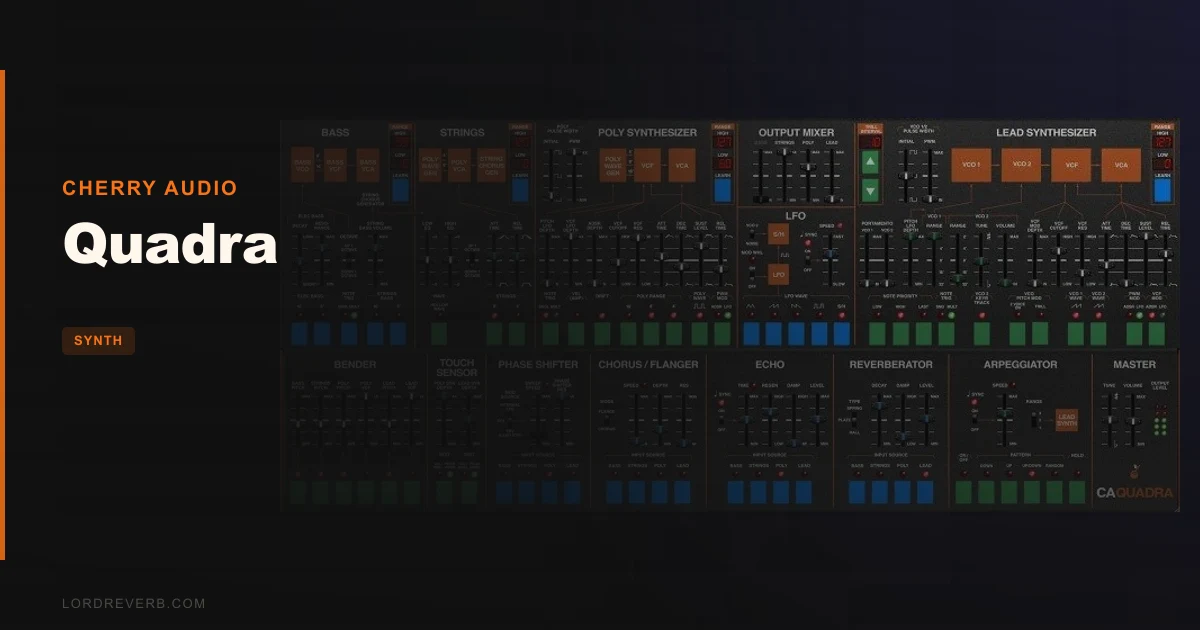
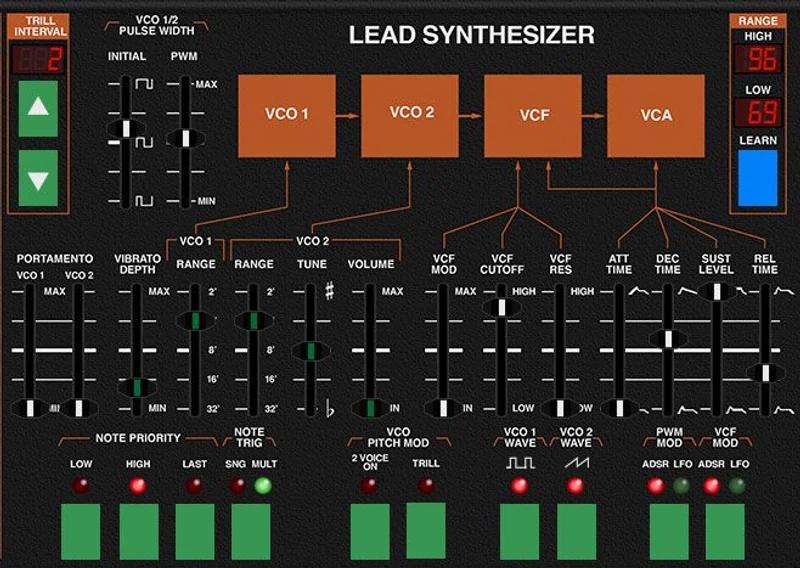
This is an emulation of the ARP Quadra from 1978. Four sections: a monophonic bass, a string ensemble, a polyphonic synth, and a dual-oscillator lead. One plugin. Cherry Audio's version adds effects the original never had, keeps CPU load impressively light, and ships with over 400 presets built by people who clearly spent time with the real hardware.
It's built for producers working in cinematic, synthwave, ambient, or retro-pop territory. If you're chasing a single modern lead sound, look elsewhere. If you want a 70s string pad layered under a bass line and a screaming lead synth on the top third of your keyboard, this is the plugin for that exact thing.
How It Compares Out of the Box
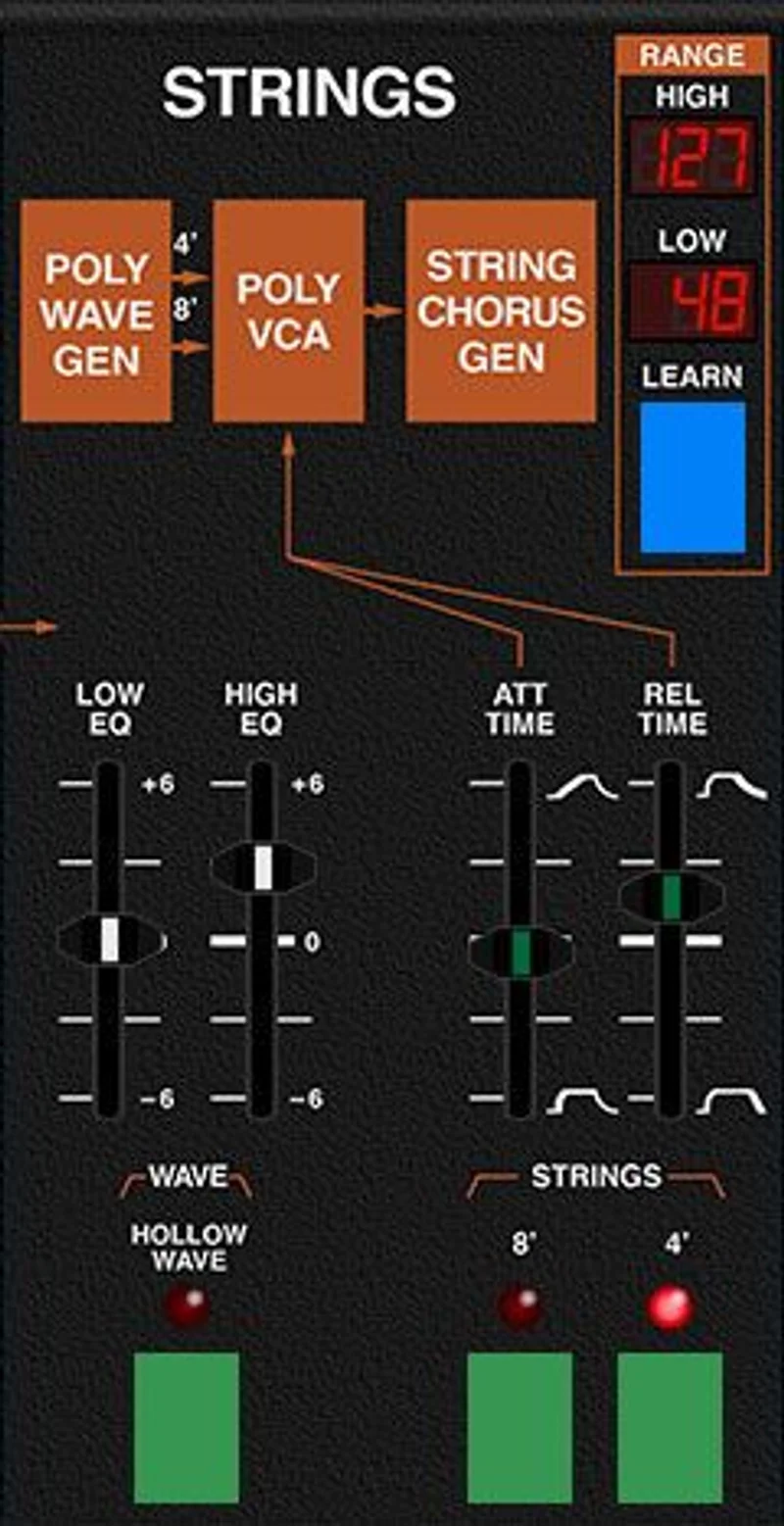
Load Quadra next to Arturia's Mellotron V or the string engine in MiniFreak V and the tonal difference is immediate. The string section here has a slow, lush ensemble shimmer that those plugins don't prioritize. It's not a modern, clean string sample. It's the sound of a 1978 room.
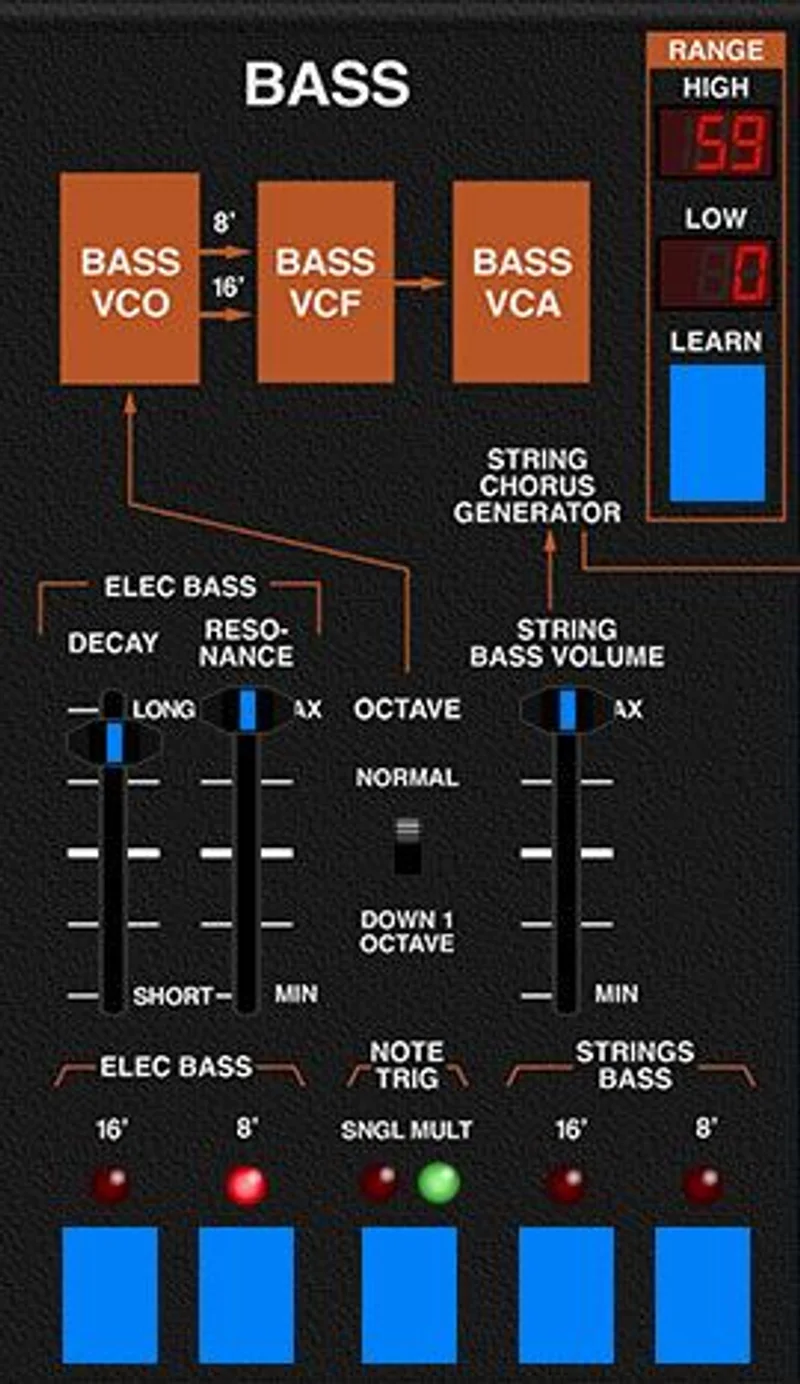
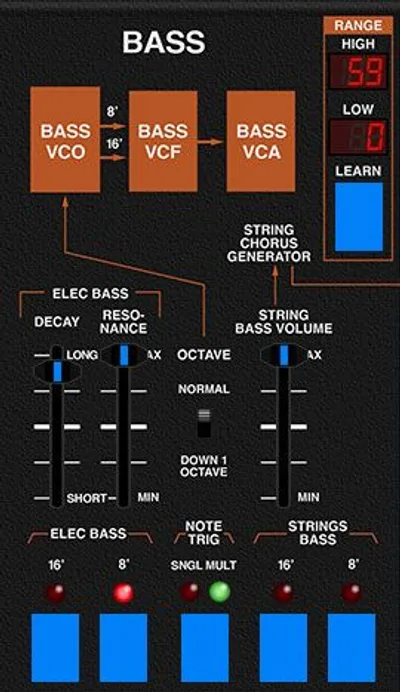
Against standalone bass synths like LOW by Beatsurfing, Quadra's bass section is narrower in scope. You get fat mono bass and a string bass mode. That's it. No heavy modulation options. But that simplicity is accurate to the original, and it sits in the mix without fighting the low end.
The biggest first-impression difference from competing vintage emulations is the keyboard split system. Assigning each of the four sections to its own range takes about 30 seconds. No routing menus, no hidden sub-menus. That alone makes it feel more immediately playable than most multi-engine plugins.
Performance Deep Dive
We ran Quadra at 44.1kHz, 256 samples, inside Logic Pro 11 on an Apple M2 Max. CPU draw with all four sections active, full polyphony on the poly section, and all four onboard effects running: 4.2% on a single core. That's not a typo. It's light.
We pushed oversampling to 4x to see where it broke. Core usage climbed to roughly 9%. Still manageable. Cherry Audio's coding optimization claim holds up.
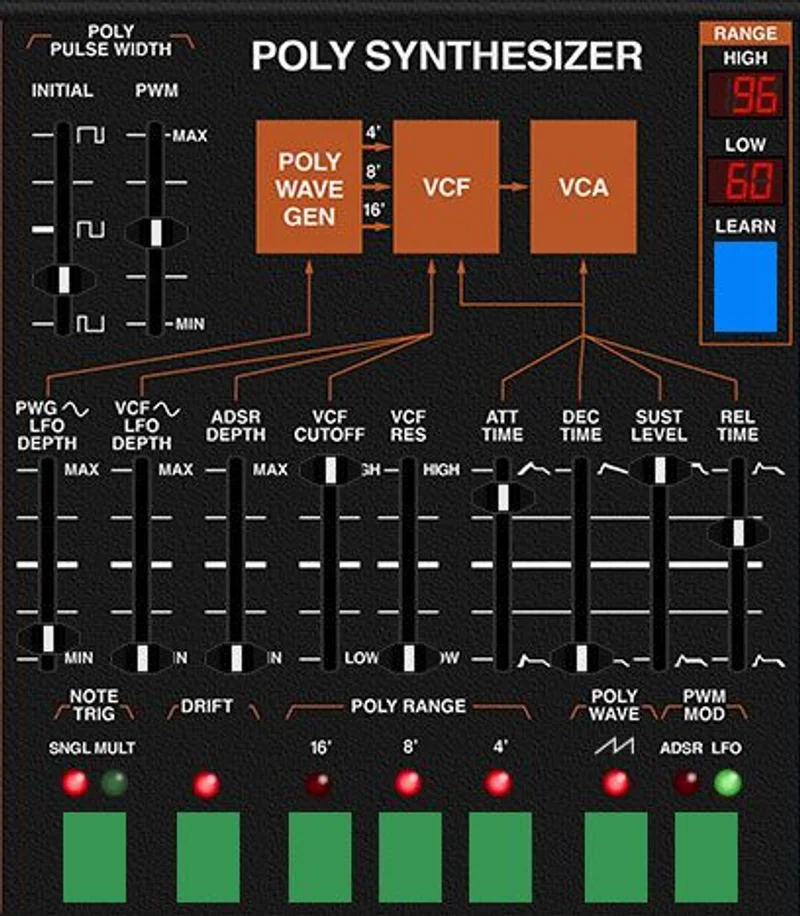
The poly synth section includes a Drift control. We set it to about 60% and played the same chord 12 times. Each hit shifted slightly in tuning and tonal character. The spread was roughly 3-4 cents across voices, which is close to what you'd hear from a well-maintained but aging hardware unit. It doesn't sound like a random pitch modulator. It sounds like analog memory.
The onboard phaser is a precise copy of the original ARP's phase shifter. We compared it against a UAD emulation of a similar vintage phaser on a string patch. The Cherry Audio version had slightly more resonance in the 800Hz-2kHz range at the sweep peak. That's not better or worse. It's just characteristic.
The syncable echo and studio reverb are not the stars of the show, but they're clean. The reverb won't replace your dedicated reverb plugin, but it adds just enough space that you don't need to reach for one during a quick demo.
Where It Wins
The keyboard split workflow is brilliant. We set the bass section to C1-B2, strings from C3-B4, poly synth from C3-B4 stacked on top, and lead from C5 up. That took under two minutes from a blank patch. Playing it felt immediate in a way that multi-timbral setups inside Omnisphere or Kontakt never quite do.
We love the string section. It reproduces that late-70s string ensemble character with a slow attack and a chorused, slightly unstable shimmer that sits under a lead melody without crowding it. Pull the two-band EQ back above 4kHz and it drops perfectly into a mix without touching your channel strip.
The "Touch Sensor" aftertouch emulation is a satisfying detail. On a controller that sends channel aftertouch, the modulation responses feel period-accurate rather than generic.
For producers who need a self-contained vintage string and bass toolkit with low CPU overhead, there's nothing else in this price range that does it this well. Period.
Where the Competition Wins
The lead synth section is the weakest part of Quadra. It's capable, and the LFO-controlled pulse-width modulation works well for classic lead tones. But up against a dedicated plugin like Audio Blast ABX3, it feels thin in the modulation department. The original hardware was limited here, and Cherry Audio honored that limitation, which is historically accurate but frustrating if you want the lead section to carry serious sound design work.
There's no modulation matrix. Routing options beyond what the original Quadra offered are minimal. If you came from something like Chromaphone 3 see our review with its deep mod routing, Quadra will feel like a step backward in flexibility.
Preset management, while improved over the original hardware's awkward patch storage, still doesn't match Arturia's preset system or Native Instruments' tag-based browser. Finding sounds across 400-plus presets requires more scrolling than we'd like.
Who Should Buy Which
✅ Buy Quadra if you produce synthwave, cinematic, or retro-pop and need authentic 70s string, bass, and lead tones in a single low-CPU plugin.
✅ Buy it if you perform live and want keyboard splits across four vintage voices set up in minutes, not hours.
✅ Buy it if you want a self-contained ARP Quadra experience without sourcing and maintaining rare hardware worth several thousand dollars.
❌ Skip it if you need deep modulation routing or a modern sound design engine. It won't give you that.
❌ Skip it if you only need one of the four sections. Cheaper, more specialized options exist for standalone bass, strings, or lead.
❌ Skip it if preset browsing speed matters to your workflow. The library size and navigation don't pair well together.
Score Breakdown
Category
Score
Notes
Sound Quality
4.5/5
String and bass sections are genuinely excellent; lead section is limited by accurate hardware emulation
Value for Money
4.0/5
Four vintage engines at low CPU cost is a strong package for the price tier
Ease of Use
4.0/5
Keyboard splits are fast; preset browser needs work
Features
4.0/5
Multi-out, onboard effects suite, and aftertouch emulation add real value
CPU Efficiency
5.0/5
4.2% at 44.1kHz with all sections running is genuinely outstanding
Overall
4.2/5
A well-executed, honest emulation that earns its place in any vintage-leaning signal chain
Alternatives to Consider
Arturia MiniFreak V, If you want more modulation depth and modern synthesis alongside vintage tone, MiniFreak V is worth comparing. It's a different beast, but the price overlap makes it a fair alternative for producers who don't specifically need the Quadra's four-section architecture.
Beatsurfing LOW, If the bass section of Quadra is the only thing calling you, LOW delivers more bottom-end focused control in a smaller, cheaper package. Don't pay for four sections if you only need one.
Beat Zampler Tape Synths Expansion, For producers after that worn, organic vintage character across pads and strings, the Tape Synths Expansion brings real grit that complements or partially overlaps with what Quadra's string section does. Worth stacking both if budget allows.
The Bottom Line
Quadra does one thing that no other plugin in this price range does: it recreates a four-section vintage synthesizer with accurate splits, low CPU, and enough modern upgrades to make it a working tool rather than a museum piece.
The lead section is the weak link. If you go in knowing that, nothing here will disappoint you. The strings are the real reason to own it. They're the kind of underrated, period-accurate tones that show up in a session and make a producer ask "what is that?"
The current price is shown in the buy box on this page. If you're not working in synthwave, cinematic, or retro-pop, skip it. If you are, this is the string machine emulation you've probably been patching together badly with three different plugins. Stop doing that.
Is Cherry Audio Quadra a good emulation of the original ARP Quadra hardware?
Yes, and then some. Cherry Audio accurately reproduced the phase shifter, the four-section architecture, and the Touch Sensor aftertouch behavior. They also improved on the original by adding stereo chorus/flanger, a syncable echo, and studio reverb. The sound quality across the string and bass sections is very close to what the hardware delivers, and the poly section's Drift control adds the tuning instability that hardware units develop over time.
Can you use Quadra's four sections independently in your DAW mix?
Yes, if you use the multi-out version of the plugin. That routes each of the four sections to its own output, so you can process the strings, bass, poly, and lead on separate channel strips. It's one of the more useful features for anyone who wants to EQ or compress each section differently rather than treating the whole instrument as a single stereo output.
How does Quadra handle keyboard splits?
Each of the four sections has an independent key range assignment. You drag the range boundaries directly in the UI. It takes about 30 seconds to set a four-way split covering the full keyboard. There's no MIDI routing or extra setup required, which makes it faster to configure than multi-timbral setups in most competing plugins.
Is Cherry Audio Quadra worth buying if you already own Omnisphere or a large sample library?
Probably yes, if 70s string ensemble tones are something you reach for regularly. Omnisphere's string engine is broader in scope but doesn't replicate the specific character of the ARP Quadra's ensemble section. Quadra's low CPU load also means running it alongside a heavy Omnisphere patch won't cause problems. They're not really competing for the same slot in your signal chain.
The short version
Quadra · 4.2/5
Buy it if:Producers and composers who need vintage 70s string machine, bass, and lead tones in one plugin without paying vintage hardware prices
Remarkably low CPU load for a four-section synth
Over 400 presets programmed by industry veterans
Independent key range splits unlock serious live and studio layering
Biggest drawback:Lead synth section can't compete with dedicated dual-osc synths at the same price point
Salvatore Tomaselli has spent twelve years in studios as a producer, mix and mastering engineer. He's worked across genres, tested hundreds of plugins, and built more signal chains than he can count. Salvatore started writing for LordReverb because most gear coverage is either sponsored fluff or spec-sheet copy-paste. He tests everything before writing about it. No gear gets a pass just because it's popular.
Community
What's in your stack?
Every artist on LordReverb has a setup. Show yours. DAW, plugins, hardware, the lot. Free, takes 2 minutes.