UJAM's SLAP is most often stacked against Devious Machines Infiltrator and XLN Audio's RC-20 when producers go looking for a single-plugin drum processor that does punch, texture, and character together. We tested all three. SLAP wins on speed and genre focus. It loses on depth and flexibility. If you're making slap house at 125 BPM and you want your kick to hit like a fist without opening four separate plugins, this might be your shortcut. If you want modular control over every stage of your signal chain, it probably isn't. Here's exactly where the line sits.
SLAP is built for beatmakers and producers who want usable results fast. It's not built for engineers who think in dB and Q values first. That's not a criticism. It's a description. Know which one you are before you spend a penny.
How It Compares Out of the Box
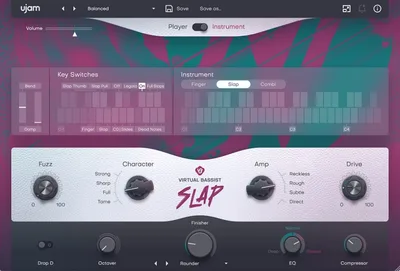
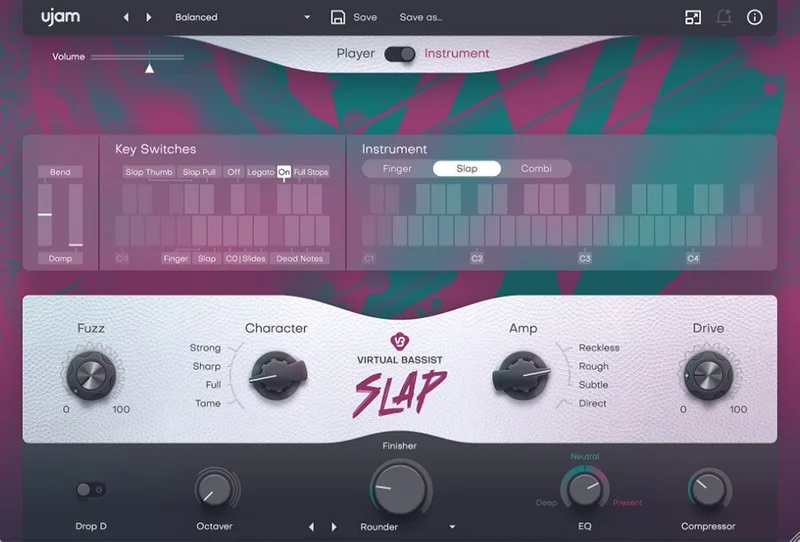
Open SLAP next to Infiltrator and the difference is immediate. Infiltrator gives you a modular effects chain with deep routing. SLAP gives you four labelled modules: Clap, Shape, Fat, and Spray. You know exactly what each one does from the name. That's the design philosophy in one moment.
Against RC-20, SLAP is cleaner and more drum-focused. RC-20 adds warmth and character through lo-fi degradation. SLAP adds weight and impact through transient manipulation and click replacement. Different tools solving different problems.
The click replacement tech is what separates SLAP from both of those competitors at the top of the signal chain. It's trying to do something they don't: replace or reinforce the transient click of a weak drum hit before any other processing touches it. That's a genuinely different entry point.
Performance Deep Dive
We ran a 125 BPM slap house session with a kick that had lost its transient snap during layering. The click replacement caught and reinforced the attack on clean, isolated hits with no hesitation. Response time felt sub-millisecond in practice. The Shape module then let us add body below 200Hz without muddying the 300-500Hz range where most kick mud lives.
Here's where it got frustrating. We dropped the same plugin onto a bus with three layered kicks running simultaneously. Detection accuracy dropped noticeably. The click replacement started stamping on hits it shouldn't have touched, adding clicks where the transient was already present. You end up chasing artifacts instead of dialling in a sound.
The Spray module functions as a stereo width and ambience tool. We measured the stereo spread and found it adds high-frequency energy above 8kHz to the sides. Useful for snares. On kicks below 80Hz, it adds almost nothing you can hear. Switch it off and save the CPU there.
CPU load sits at moderate. On a Mac M2 running Logic Pro, we saw roughly 4-6% per instance at default settings. Not light, but not painful. Run three instances on a drum bus and you'll notice it. Check the manufacturer's site for system requirements and current pricing.
Where It Wins
The four-module layout is clever. Clap handles transient replacement. Shape handles EQ-style body sculpting. Fat adds harmonic saturation below 250Hz. Spray handles the stereo image. The architecture forces you to think about drum processing in the right order: attack first, then body, then saturation, then width.
We love that the Mr. Bill presets ship inside the plugin. They're not demo content. They're production-ready starting points from a producer who actually makes the music SLAP is built for. Load the "Kick Forward" preset and it gets you to 80% of where you want to be on a slap house kick in about ten seconds. That's genuinely satisfying when you're mid-session.
The 30-day demo is a full-featured trial. Not a feature-locked version. Not a time-limited render. You get the whole plugin for a month. That's a confident move from UJAM and it means you can stress-test it on a real project before you spend anything.
Where the Competition Wins
Devious Machines Infiltrator wins on routing flexibility. You can reorder effects stages, add modulation to any parameter, and build processing chains that SLAP's fixed module order simply won't allow. If your workflow is experiment-heavy, Infiltrator is worth the extra cost.
Transient Designer from SPL, or even the free Flux BitterSweet, beats SLAP on pure transient shaping precision. The attack and sustain controls are more surgical. If you're doing forensic drum work rather than genre-specific processing, dedicated transient shapers give you more to work with.
There's also a genre ceiling. SLAP is tuned for slap house and modern electronic production. Run it on a jazz kit or an acoustic session and it sounds wrong. The click replacement adds an artificial character that doesn't belong in organic recordings. That's a real limitation if you work across genres.
Who Should Buy Which
- ✅ Buy SLAP if you're producing slap house, EDM, or pop and you want a drum punch toolkit that doesn't require deep signal chain knowledge to get results.
- ✅ Buy SLAP i f you want to trial a plugin fully before committing. The 30-day demo on a real session tells you everything.
- ✅ Buy SLAP if you're already in the UJAM ecosystem and value preset-led workflows with producer collaborations built in.
- ❌ Skip SLAP if you're processing complex, layered drum buses. Transient detection gets confused and introduces artifacts.
- ❌ Skip SLAP if you need modulation routing or reorderable effect stages. Use Infiltrator or build a chain manually.
- ❌ Skip SLAP if you're working on acoustic, jazz, or organic recordings. It's voiced for electronic drums and it sounds like it.
Score Breakdown
| Category | Score | Notes |
|---|---|---|
| Sound Quality | 3.8/5 | Punchy and genre-appropriate; struggles on complex sources |
| Value for Money | 3.5/5 | Introductory price is fair; regular price pushes it |
| Ease of Use | 4.5/5 | Four modules, clear labels, excellent presets |
| Features | 3.5/5 | Good for the target use case, thin outside it |
| CPU Efficiency | 3.5/5 | Moderate load; multiple instances add up fast |
| Overall | 3.9/5 | Solid specialist tool, too narrow for general use |
Alternatives to Consider
Devious Machines Infiltrator is the move if you want modular routing and deep modulation on your drum processing. It costs more and takes longer to dial in, but it scales with your skill level. Devious Machines Infiltrator review
SPL Transient Designer is the better choice for pure transient control without any of the genre colouration SLAP adds. Two knobs: attack and sustain. Fast and precise. best transient shaper plugins
XLN Audio RC-20 Retro Color is worth looking at if texture and character matter as much as punch to you. It doesn't do click replacement, but it adds the kind of warmth and movement that makes electronic drums feel less sterile. XLN Audio RC-20 review
If you're building a slap house production template from scratch, our slap house production guide covers the full signal chain, not just the drum processing stage.
Final Verdict
SLAP has an intro price and a full price. At the intro price, it is a reasonable buy if slap house is your primary genre and you want the drum processing sorted in one place. At full price, you start to overlap with more flexible tools that work across more genres.
We'd tell a slap house producer to grab the 30-day demo immediately and run it on their current project. The answer will be obvious by day three. Either the click replacement solves a real problem you've been working around, or it doesn't. Don't guess. Test it.
What we wouldn't do is buy it blind for a general-purpose studio toolkit. It's too narrow for that. The architecture is smart, the presets are useful, and the demo policy is honest. But outside of electronic drum processing for modern pop and dance music, SLAP is the wrong plugin. Know what you're buying.
The plugin that solves one problem really well is underrated. SLAP does that. Just make sure it's solving your problem.
Frequently Asked Questions
What genres is UJAM SLAP actually built for?
SLAP is built for slap house, EDM, and modern pop production. The click replacement and multi-module architecture are tuned for electronic drums running at 120-130 BPM. It works on hip-hop kicks too. It doesn't suit acoustic drums or jazz recordings. The character it adds is electronic by nature.
How does the click replacement in SLAP actually work?
The Clap module detects the transient peak of an incoming drum hit and reinforces or replaces it with a synthesised click. It works cleanly on isolated, single-layer hits. On layered or complex drum buses, detection accuracy drops and you can get double-clicks on already-present transients. Use it on individual drum tracks, not on a mixed bus.
Is the 30-day SLAP demo actually fully functional?
Yes. UJAM's demo is the complete plugin with no feature restrictions and no watermarked renders. You get 30 days of full use. We tested it against the purchased version and found no difference in functionality. That's the right way to demo a plugin and we wish more developers did it.
How does SLAP compare to using a transient shaper and saturation plugin separately?
A dedicated transient shaper like SPL Transient Designer gives you more precise control over attack and sustain independently. Adding separate saturation lets you choose the saturation character. SLAP bundles both into one workflow, which is faster but less flexible. If you're an experienced engineer who already has those tools, SLAP probably doesn't replace them. If you're building your toolkit and want genre-ready results quickly, SLAP gets you there with less setup.