If your track is a loose jazz ballad, a smoky soul groove or a funk vamp that needs a keyboard to talk back, Elpiano is built for you. It costs $149, and it’s aimed at players who care more about feel than about a perfect museum copy of a vintage Rhodes or Wurlitzer.
That distinction matters. Owners describe it as a player’s instrument, and reviewers say it plays and responds better than other electric piano plugins they’ve tried. Jazz players report that every nuance comes through, note to note.
It is not a literal reproduction. Owners call it an inspired alternative to the classics, and that’s the right frame. Hold that thought, because it decides whether you’ll love it or return it.
Where Does Elpiano Belong in Your Tracks?
Slow chords with space around them. Think of a late-night ballad where one sustained voicing carries the whole verse. The developer pitches the range as silky, dreamy chords through to punchy funk grooves, and the feature set backs that up.
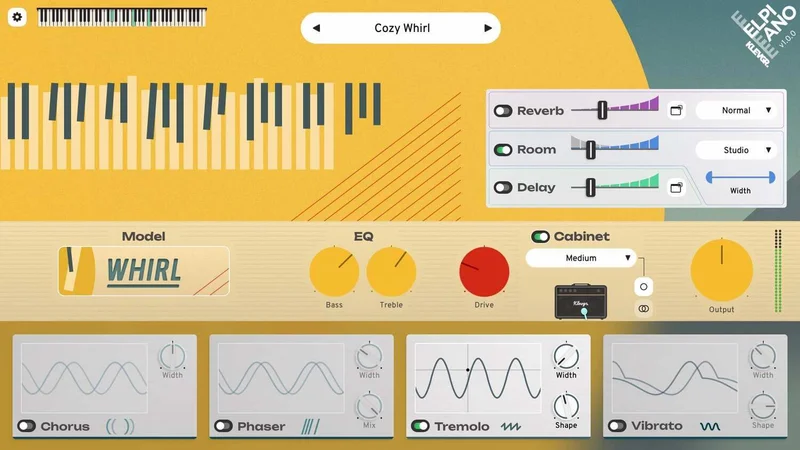
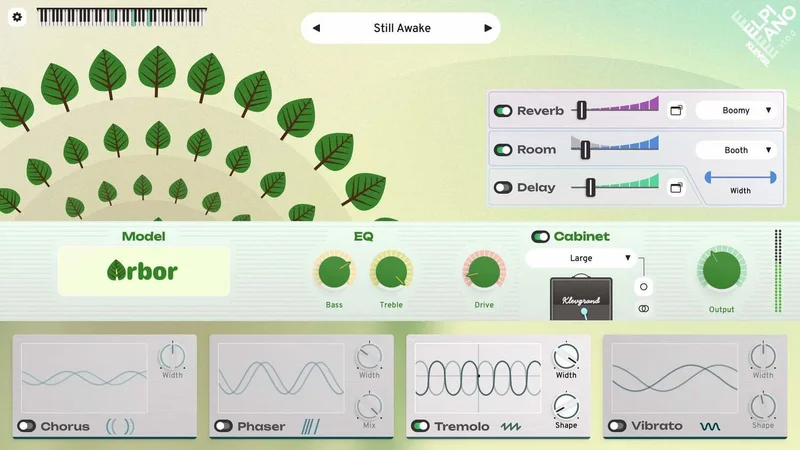
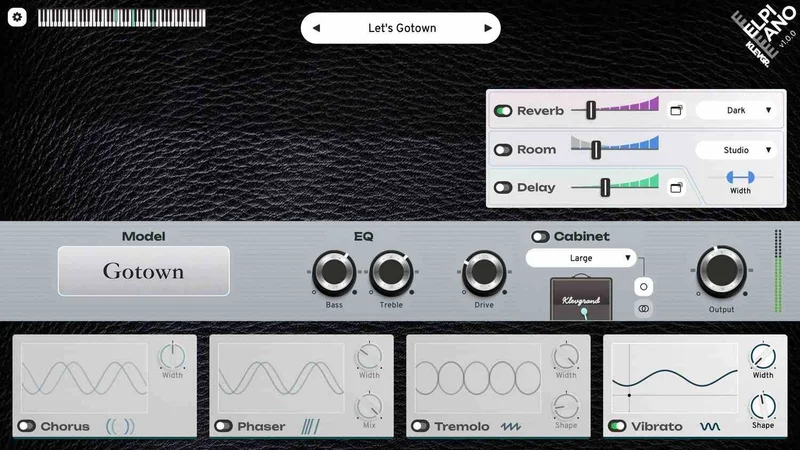
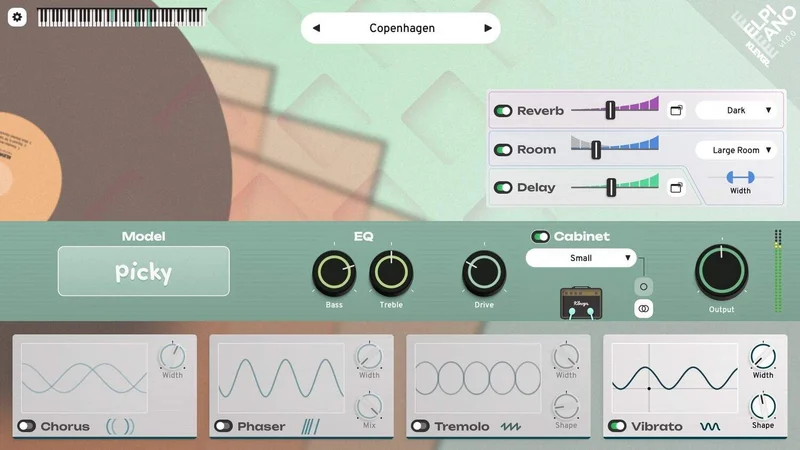
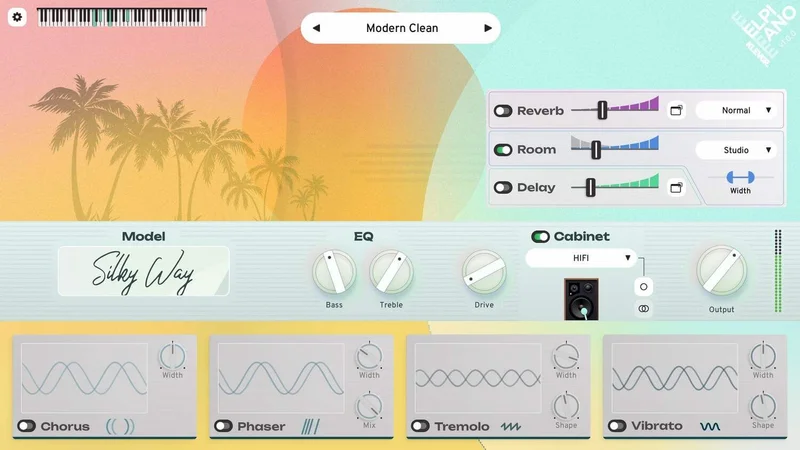
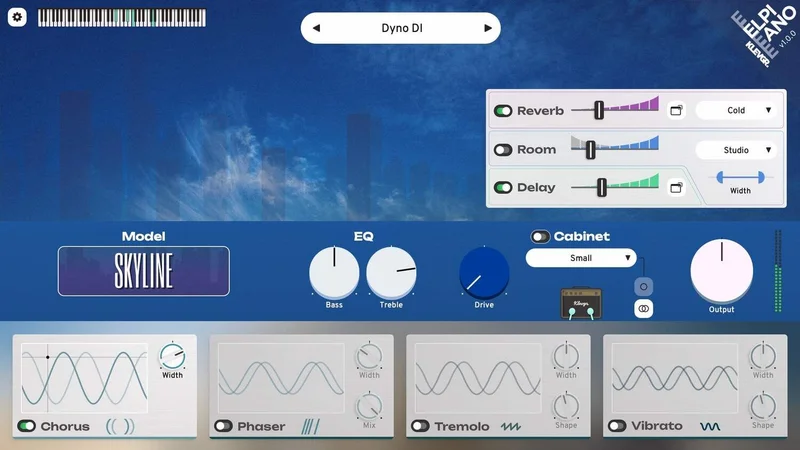
You get 10 piano models, so you can swap character without leaving the plugin. Then the Chorus, Phaser, Tremolo and Vibrato do the classic movement jobs.
Funk and soul comping is the other sweet spot. Push the Drive control and you get the raw, overdriven growl the developer describes. Pick one of the 5 cabinet models, in mono or stereo, and the tone settles into a space instead of floating above the mix.
Where Does It Fall Short?
Skip it if you want deep sound design. Pianoteq and AAS Lounge Lizard EP-4 give you far more engine-level control. Elpiano leans on its 50 presets and a short list of knobs.
Skip it too if your client demands an exact, sampled Rhodes or Wurlitzer. Keyscape and the sampled libraries deliver higher sonic fidelity, because that’s what sampling does best. Elpiano’s algorithmic engine goes a different way.
Honestly? The reverb is the weak link. Some users find it less compelling than third-party alternatives, so plan to bypass it. And if you work on iPad, the DSP load runs heavier than some rivals.
How Should You Dial It In?
Start with the dry sound. Pick a model, pick a cabinet, and play chords before you touch a single effect. If it doesn’t feel right under your hands, no preset will fix that.
Here’s a scene you’ll hit: you load a preset with the Phaser running and your pad layer sits slightly off. Mute the modulation first. Some users report tuning inconsistencies in the modulation effects, so check them against a tuner or a held bass note before blaming your arrangement.
Second scene. You’re sketching a funk groove and the keys disappear behind the guitar. Nudge Drive up in small steps and use the vintage EQ to thin the low end so the bass keeps its lane.
Third scene. You’re auditioning presets mid-session and hear a pop on a switch. Annoying. Stop playback before you change presets, and don’t automate preset changes while recording.
Send reverb from your DAW instead of the built-in one. Your mix will thank you.
Against the Field
Here’s how the main rivals stack up on the facts we can stand behind.
| Product | Strongest point | Weakest point |
|---|---|---|
| Elpiano | Playability and a light 198 MB footprint | Limited engine customisation and some UI issues |
| Pianoteq | More responsive and balanced overall | Harder to EQ across registers |
| AAS Lounge Lizard EP-4 | Alternative sound character with deeper engine control | Reportedly sounds thin and synthetic |
| Keyscape / sampled Rhodes and Wurlitzer libraries | Higher sonic fidelity | Less algorithmic flexibility |
Pick Pianoteq when you want the most balanced response and don’t mind EQ work. Pick sampled libraries when fidelity to the originals is the brief. Pick Elpiano when feel and quick character swaps win.
The Verdict
At $149, Elpiano earns its place if you play keys rather than program them. We love how it responds, and we’d reach for it on soul, jazz and funk sketches before most rivals.
We’d skip it if you need surgical sound design or exact vintage replicas. Buy it for feel. Pass on it for control.
Specs & Technical Details
| Developer | Klevgrand |
| Price | $149 |
| Plugin Format | VST3 / AU / AAX (64-bit host) |
| OS Support | macOS 10.10 or later (optimised for M1) / Windows 7 (SP1) or later |
| Activation | N/A |
| CPU Usage | N/A |
| Trial Available | N/A |
| Version Reviewed | N/A |
Score Breakdown
| Category | Score | Notes |
|---|---|---|
| Sound Quality | 4.3/5 | Inspired take on classic electric pianos, not a literal copy |
| Value for Money | 4.0/5 | Strong playability and 10 models for the money |
| Ease of Use | 3.8/5 | Clear layout, but small tap targets and resizing problems |
| Features | 3.9/5 | Good effects and cabinets, thin deep-editing options |
| CPU Efficiency | N/A | Lightweight on desktop, heavier on iPad |
| Overall | 4.2/5 | A player's instrument with real limits |
Alternatives to Consider
- Pianoteq: More responsive and balanced overall. Choose it if you'll tolerate harder EQ work across registers.
- AAS Lounge Lizard EP-4: Deeper engine control, though reportedly thin and synthetic. Choose it for sound design.
- Keyscape or a sampled Rhodes/Wurlitzer library: Higher fidelity to the originals. Choose it when the brief says "real Rhodes."
Should You Buy It?
Buy it at $149 if your keys need to feel alive under your fingers on jazz, soul and funk tracks. Hard pass if you want deep engine editing, exact vintage replicas or a flawless interface. Play it first, trust your hands, and ignore the built-in reverb.
Related reviews: Symphonic Choirs Platinum Plus / VOTA · Bass Engine 2 Upgrade from Bass Engine 1
Frequently Asked Questions
Is Elpiano a sampled instrument?
No. It uses an algorithmic sound engine rather than sample-based synthesis. That keeps the footprint at 198 MB. It also means the sound is an inspired interpretation, not a literal capture.
What does Elpiano include?
You get 10 piano models, 5 cabinet models in mono and stereo, and 50 presets. Built-in effects cover Reverb, Room, Delay, Chorus, Phaser, Tremolo and Vibrato. There's also a Drive control and a vintage EQ section.
What systems and hosts does Elpiano support?
It runs on macOS 10.10 or later, optimised for M1, and on Windows 7 (SP1) or later. You need an AU, VST3 or AAX compatible 64-bit host.
Does Elpiano have any known issues?
Users report resizing problems, small tap targets and popping during preset changes. Modulation effects show tuning inconsistencies, and the iPad version runs heavier on DSP than some alternatives. Some users also find the built-in reverb less compelling than third-party options.