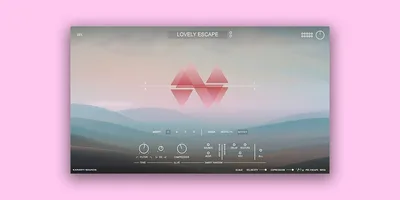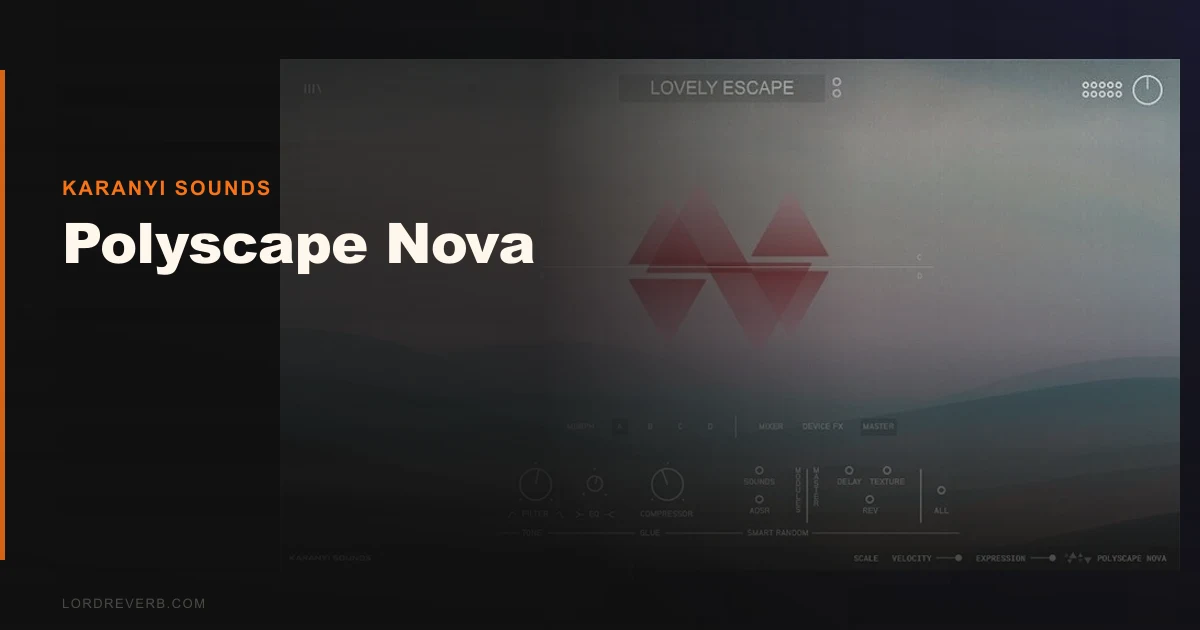
Polyscape Nova gets compared most often to Omnisphere, and that comparison is unfair to both plugins. Omnisphere costs nearly 10x more and targets a completely different buyer. The honest comparison is Karanyi's own back catalog, Arturia's Pigments, and native DAW synths like Ableton's Wavetable. Against that field, Nova sits in a specific and defensible lane: it's the fastest way to get bowed acoustic textures merged with analog modular synthesis, without opening Kontakt.
This review is going to land here: Nova is a genuinely clever instrument for cinematic and ambient work, priced well below what it offers, but with real limitations that will frustrate anyone chasing versatility. It's built for a specific type of producer. If that's you, it's a satisfying purchase. If it's not, there are smarter places to put your money.
How It Compares Out of the Box
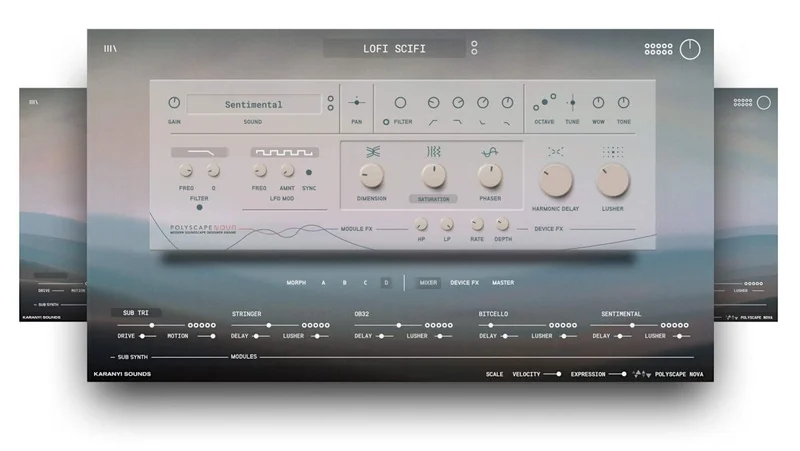
Load Pigments and Nova side by side. Pigments gives you four synthesis engines, deep modulation routing, and a visual signal flow that takes an afternoon to learn properly. Nova gives you four sound modules plus a dedicated sub-synth layer, a Smart Randomizer, and a UI that takes about twelve minutes to feel comfortable in.
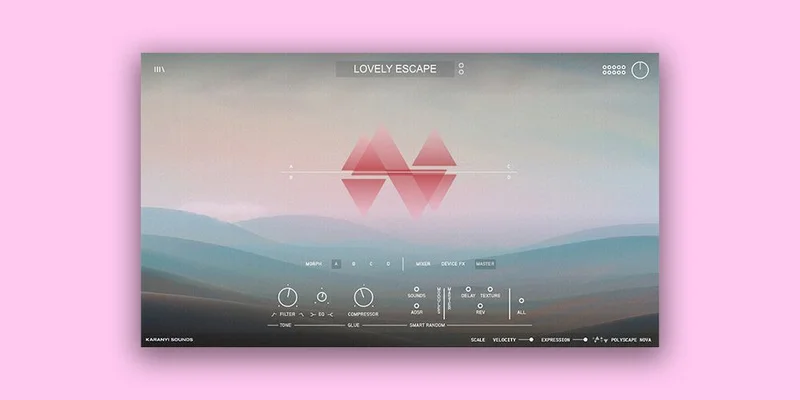
That's the trade-off in one sentence. Nova wins on immediacy. Pigments wins on depth.
Against Ableton Wavetable, the gap is different. Wavetable is brilliant for electronic sound design. Nova has something Wavetable doesn't: real bowed string recordings baked into the architecture. That cello-into-modular hybrid sound isn't something you patch together in Wavetable easily. It's Nova's actual differentiator, and it's a legitimate one.
Against other Karanyi instruments, Nova represents their most complete standalone release. The migration away from Kontakt dependency alone is worth flagging.
Performance Deep Dive
We ran Nova on a Mac Studio M2 in Logic Pro 11 and a Windows PC running Ryzen 9 7900X with Ableton 12. Results differed more than we expected.
On the Mac, a single instance with the Lusher Granular Reverb and Harmonic Delay both active averaged around 12-15% CPU load on one core. That's heavier than we'd like. Pigments at comparable complexity sits around 8-10% on the same machine. Nova's granular reverb is clearly doing real work, but it costs you.
On the Windows rig, CPU was slightly lower, around 10-13% per instance. Running four instances simultaneously on a 32-bar cinematic section in Ableton hit 48% CPU load total. Workable, but you'll notice it on a laptop.
RAM footprint was reasonable: 180-220MB per instance depending on preset. The 150+ factory presets load fast. No stuttering on preset browsing, which is something we've hated on other instruments at this price.
The sub-synth layer adds negligible CPU overhead on its own. The effects chain is where performance gets expensive. Disable the Lusher Granular Reverb on your bus if you're stacking instances.
Where It Wins
We loaded the "Dissolving Arco" preset, routed it through an external Dimension effect, and ran a slow minor chord progression. Within four minutes we had a pad that sounded like bowed glass inside a modular patch. That doesn't happen this fast anywhere else at this price.
The Smart Randomizer is cleverer than it sounds. It doesn't just randomize every parameter randomly. It keeps results musically coherent. We ran it 30 times on a single module. About 22 of those results were usable as starting points. That's a good hit rate.
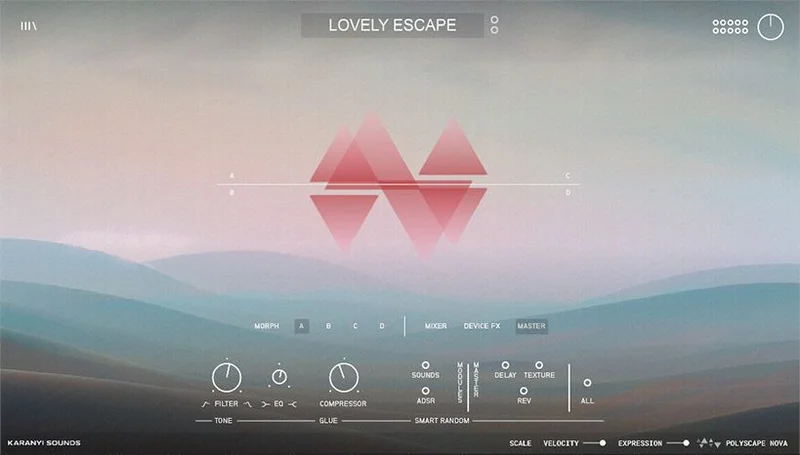
The Retina support is sharp. The UI is clean enough that you're not hunting for parameters. The Phaser and Saturation modules in the effects chain are genuinely musical rather than clinical.
For film scoring, game audio, and ambient production, Nova punches above its price. The 30 custom string and vintage synth sounds in the extended library are the strongest content on offer.
Where the Competition Wins
Modulation routing. This is where we wish Nova had gone further. You can't draw custom LFO shapes. You can't modulate the Harmonic Delay feedback with a step sequencer. Pigments lets you do both, and it costs more, but the gap in routing depth is real.
For purely electronic music, Wavetable and Serum both destroy Nova. They're more flexible, CPU-lighter per instance in most scenarios, and their factory presets skew toward modern production rather than cinematic scoring.
The preset library bias is also worth flagging. Of the 150+ presets, the vast majority live in cinematic pad, drone, and texture territory. If you're making techno or hip-hop, you'll find maybe 20-30 presets you'd actually reach for. That's frustrating when you're sold on 150+ as a headline number.
Existing users o
Polyscape 1 and 2 owners get an upgrade path at a reduced price, which is fair. But the sonic leap from Polyscape 2 to Nova is iterative rather than dramatic. Worth knowing before you upgrade.
Who Should Buy Which
- ✅ Buy if you score for film, TV, or games and want bowed acoustic textures ready to go without Kontakt
- ✅ Buy if you make ambient or atmospheric electronic music and want a hybrid starting point at a low price
- ✅ Buy if you're an existing Polyscape owner: the upgrade price for the native format migration and updated effects chain is worth it
- ❌ Skip if you need deep modulation routing and custom LFO shapes in your workflow
- ❌ Skip if you produce primarily electronic or club music: Nova won't serve that palette well
- ❌ Skip if you're CPU-constrained on a laptop and plan to stack multiple instances
Score Breakdown
| Category | Score | Notes |
|---|---|---|
| Sound Quality | 4.0/5 | Bowed string hybrid textures are genuinely distinctive; pad and drone territory is strong |
| Value for Money | 4.5/5 | This palette and preset count is hard to beat in this category for the price |
| Ease of Use | 4.0/5 | Smart Randomizer and clean UI make entry easy; depth rewards time investment |
| Features | 3.0/5 | Five studio-grade effects included but modulation routing is shallow by 2026 standards |
| CPU Efficiency | 2.5/5 | Granular reverb is expensive; three simultaneous instances on a laptop will stress most setups |
| Overall | 3.9/5 | Specialist tool with a fair price and a real sound identity, held back by routing limitations and CPU cost |
Alternatives to Consider
If modulation depth matters more than acoustic texture, look at the BLEASS Analog FM Synth Bundle. It's a different sound palette but gives you more synthesis control per dollar in the analog-to-FM hybrid space.
If you want something with more grit and character in the string and textural department, Tape Synths Expansion delivers lo-fi saturation that Nova's cleaner aesthetic avoids. Different aesthetic, but worth comparing if you want rawness over polish.
For producers who want something lower in the mix to anchor Nova's pads, LOW by BeatSurfing pairs well as a dedicated bass layer. Nova has a sub-synth built in, but it's basic. LOW handles that role more seriously.
If acoustic realism in a sample-based context is more your need, Synth City Chromaphone 3 approaches physical modeling differently and might suit producers wanting more organic movement in their patches.
Nova is $79. Skip it if you're an electronic producer expecting a versatile workhorse. Buy it if you're a cinematic or ambient producer who's been routing cello samples through Kontakt and a modular emulator for the last three projects. Nova collapses that workflow into one instrument that does most of the job for a price that's almost annoying to argue against.
The limitation to carry into your decision: this is a texture instrument, not a synthesis powerhouse. Know that going in, and you'll love it. Forget it, and you'll resent it within a week.
Frequently Asked Questions
Does Polyscape Nova require Kontakt to run?
No. That's one of the headline changes from earlier Polyscape instruments. Nova runs natively as a VST3, AU, or AAX plugin. You don't need Kontakt or the free Kontakt Player installed. It installs and loads like any standard plugin in your DAW.
Is Polyscape Nova good for beginners?
Yes, with a caveat. The Smart Randomizer and clean preset browser make it easy to get good sounds fast. The UI doesn't hide parameters behind confusing menus. That said, if you want to go deep into sound design, the modulation routing is shallow compared to more complex synths. Beginners making cinematic or ambient music will feel at home immediately.
How does Polyscape Nova handle CPU compared to similar plugins?
Heavier than average for its price tier. A single instance with the Lusher Granular Reverb active runs around 12-15% on a single core on Apple M2. If you're stacking four or more instances, you'll feel it on most machines. We'd recommend using it on a bus send rather than directly on multiple tracks if CPU is a concern for you.
What's the upgrade price for existing Polyscape owners?
Existing owners of Polyscape 1 or Polyscape 2 were offered a reduced upgrade price during the launch window. Check the Karanyi Sounds site for current upgrade pricing, as promotional rates may have changed since the April 2024 launch.