Iconica Ensembles is a 45 GB orchestral sample library from Steinberg, priced at $299.99, and whether it's the right call depends almost entirely on what you need from your strings. Buy it expecting lush, expressive string writing and you'll feel that regret fast. Buy it as a full-orchestra sketch tool for film, pop, or cinematic work and the picture shifts considerably. It's not a bad library. It's a specific one, and Steinberg hasn't been especially loud about where it falls short.
Owners call it "Jack of all Trades, Master of None." That's honest. The woodwinds punch above their weight, the short articulations work well for layered writing, and the room ambiance feels natural without needing a separate reverb to make it breathe. But the strings are flat. Vibrato is minimal and you can't shape it. Legato control is thin compared to what competitors offer at this price point. Those aren't minor complaints for composers who live in string arrangements.
It runs inside HALion Sonic 7 or the full HALion 7, supports VST3 and AAX on Windows, and VST3, AU, and AAX on Mac (including Apple Silicon via Rosetta 2 and Native App). The 30-day trial is fully functional, which is the smartest thing Steinberg does here. Use it before you buy.
Who Ends Up Regretting This Purchase
If strings are the centre of your arrangements, this library will frustrate you. Owners report flat, minimal vibrato and no way to draw a vibrato curve or dial in legato amounts the way you would in a dedicated strings library. That's a real creative wall when you're trying to write anything emotionally expressive.
String-focused composers who sit in Dorico on large projects without VEPro running have reported compatibility headaches. Logic users have flagged issues too. There are also unfixed glitches carried over from release, including missing CC11 on the basses, which is annoying in the specific, grinding way that small bugs in expensive software tend to be.
And if you were hoping to buy just the woodwinds or just the brass? There's no modular option. You buy the whole orchestra or nothing. That's a hard sell if you already own a strong strings library and just want to fill gaps.
What Owners Actually Say
Owners consistently land on "excellent value for a beginner or intermediate composer." That's real praise, not faint praise. Getting full strings, brass, woodwinds, and percussion in one package at this price, with 40 presets covering orchestral and cinematic styles, is a lot to hand a composer who's just moving past stock DAW instruments.
The woodwinds get called out specifically as a strong point. Playback sounds natural and the built-in room ambiance adds versatility without forcing you into a reverb chain immediately. Short articulations are genuinely useful for layering, and owners report that they sit well in a mix without fighting other elements.
But the string complaints are consistent and specific. Flat tone. Minimal vibrato. No control over the vibrato curve. No real legato depth. Owners who came in expecting string expressiveness walked away disappointed. Some expression maps are broken. Some glitches haven't been patched. Those aren't rumours; they're a pattern across owner reports.
The SSD recommendation matters too. Owners using HDDs have reported playback buffering issues. If you're running this on a spinning drive, expect problems.
What You Actually Get Inside the Box
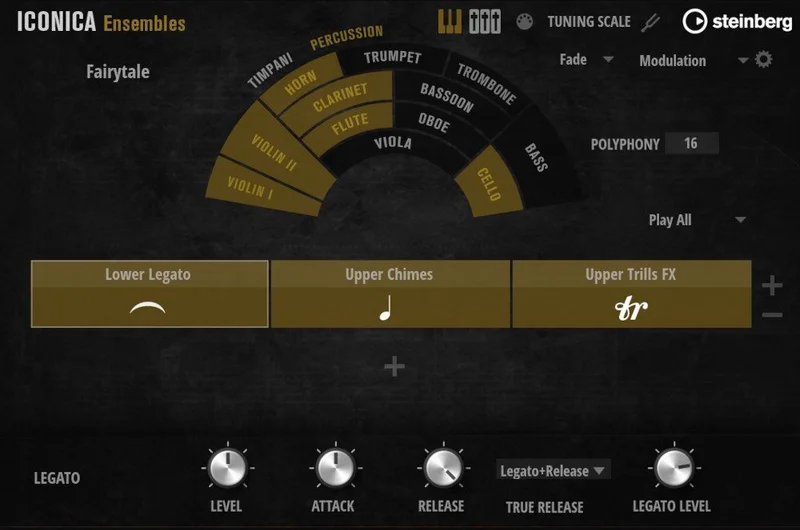
The library covers the full orchestral spread. Full, high, mid, and low string ensembles. Full and low brass. Full, low, and high woodwinds. Percussion includes map, Marimba, Glockenspiel, and Timpani. That's a complete palette for sketch work.
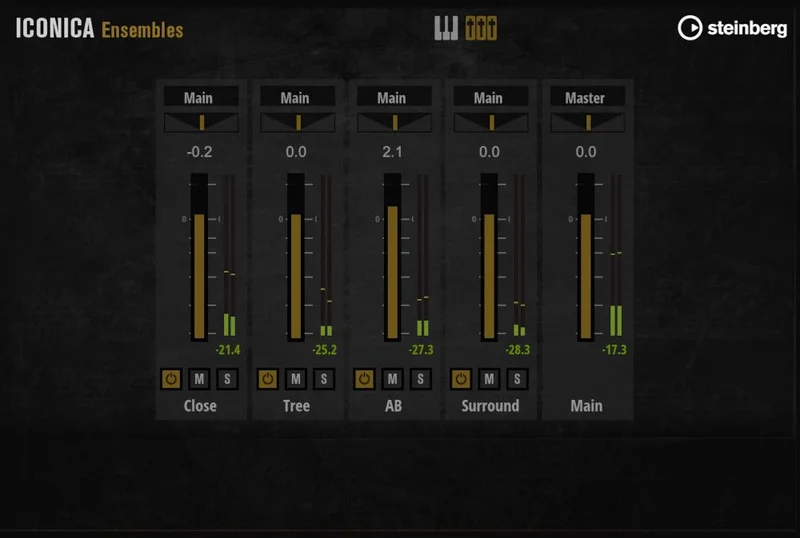
Multiple microphone positions give you some flexibility in how the ensemble sits in a room. The 40 presets lean into orchestral ensemble and cinematic styles, which covers the intended use case well. If you're writing pop with orchestral elements, that's a reasonable starting point.
VST3 users in Cubase get auto-generated Expression Maps, which is a clever integration if you're already in the Steinberg ecosystem. The library sits at 45 GB compressed, expanding to around 150 GB uncompressed for sections and strings. Plan your storage accordingly, and put it on an SSD.
The HALion platform requirement is the compatibility ceiling. If your studio runs on Kontakt, this doesn't slot in without adding another plugin host. That's a workflow decision worth thinking through before you commit.
The Smarter Route Depending on What You Need
If strings are your priority, owners and reviewers point toward East West Hollywood Orchestra for superior string and brass quality. It's the most direct comparison that comes up, and for string writing specifically, the gap is real.
VSL Special Edition and BBCSO both appear in comparison discussions among users exploring alternatives.
Native Instruments libraries come up in overall quality and value comparisons. If you're already in the NI ecosystem, that's worth exploring before committing to a HALion-dependent workflow.
If the all-in-one beginner package still appeals, the 30-day trial is the honest answer. Run it on a real project. Write something with strings that needs expression. You'll know by day five whether $299.99 makes sense for your situation.
Buy or Wait? Here's the Actual Split
For a beginner or intermediate composer writing cinematic cues, pop with orchestral colour, or film sketches, $299.99 for a complete orchestral library with natural playback and strong woodwinds is a solid deal. The trial removes the risk. Use it.
For anyone who needs expressive strings, writable vibrato curves, or deep articulation control, this library won't get you there. Neither will it if you're in Logic on large projects, working without VEPro in Dorico, or hoping to slot it into a Kontakt-based rig without friction.
Wait if you're a working orchestral composer. Skip it if strings are your main instrument. Buy it if you're building your first full-orchestra toolkit and woodwinds matter as much as strings.
Specs & Technical Details
| Developer | Steinberg |
| Price | $299.99 |
| Plugin Format | VST3 / AU / AAX |
| OS Support | macOS Big Sur, Monterey, Ventura, Sonoma, Sequoia / Windows 10 & 11 64-bit |
| Activation | Internet connection required for activation, download, account setup, and registration |
| CPU Usage | N/A |
| Trial Available | Yes, 30-day fully functional trial |
| Version Reviewed | N/A |
| Storage Required | 45 GB compressed / ~150 GB uncompressed |
| Apple Silicon | Rosetta 2 and Native App |
| Host Requirement | HALion Sonic 7 or HALion 7 |
| Presets | 40 |
Score Breakdown
| Category | Score | Notes |
|---|---|---|
| Sound Quality | 3.0/5 | Woodwinds strong, strings flat and lacking vibrato expression |
| Value for Money | 4.0/5 | Full orchestra at this price is genuinely competitive for beginners |
| Ease of Use | 3.5/5 | HALion dependency and broken expression maps add friction |
| Features | 3.0/5 | Multiple mic positions and 40 presets, but articulation control is thin |
| CPU Efficiency | N/A | No verified data available |
| Overall | 3.5/5 | A complete starter orchestra with real strengths and real limits |
Alternatives to Consider
East West Hollywood Orchestra: The most common comparison owners and reviewers reach for. Strings and brass quality are cited as clearly superior. Worth pricing out if string expressiveness is non-negotiable for your work.
VSL Special Edition: Appears regularly in side-by-side comparison discussions. Worth including in your research if you're looking at this tier of orchestral library and want to see how articulation control compares.
BBCSO: Another library that comes up in the same comparisons. Referenced alongside VSL Special Edition by buyers weighing their options in this category.
Native Instruments libraries: If you're already inside the NI ecosystem, owners compare these on overall quality and value. If you're Kontakt-native and don't want to add HALion to your chain, this is the obvious place to look first.
You've got a complete orchestral library that handles a lot of jobs adequately and a couple of jobs well. If you're building your first orchestral toolkit and you need woodwinds to carry some weight, Iconica Ensembles at $299.99 earns its place. If you need strings to carry the emotional weight of your arrangements, there are better options in the same conversation and the 30-day trial will make that clear before any money changes hands. That trial is the most honest thing about this product. Use it like you mean it.
Frequently Asked Questions
Does Iconica Ensembles work with Kontakt?
No. Iconica Ensembles runs inside HALion Sonic 7 or the full HALion 7. It's not compatible with Kontakt. If your studio workflow is built around Kontakt-based libraries, you'll need to add HALion to your setup, which is a real consideration before buying.
Is Iconica Ensembles good for string writing?
Owners are consistent on this: the strings are the library's weakest section. Vibrato is minimal and you can't control the vibrato curve. Legato depth is limited compared to dedicated strings libraries. For composers where expressive string writing is central, this is a significant limitation worth weighing against the all-in-one convenience.
Do I need a fast computer to run Iconica Ensembles?
Steinberg recommends an SSD for smooth streaming. Owners running the library from HDDs have reported playback buffering issues. Beyond drive speed, no verified CPU or RAM figures are available from the developer's documentation. Checking the current system requirements on Steinberg's site before purchasing is worth doing, especially if you're on an older machine.