The Murst Instruments Bundle is one of the most genuinely satisfying boutique instrument collections we've tested for ambient and experimental scoring, and the value question depends entirely on what you pay.
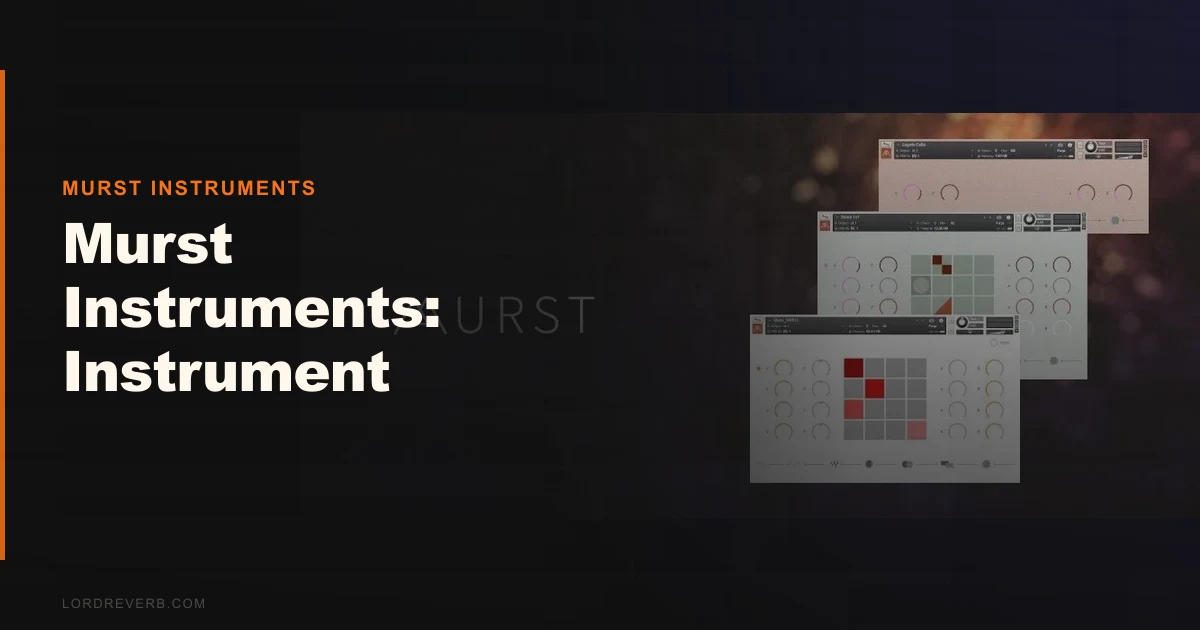
We'd buy this ourselves, but only if we work in ambient, experimental, or hybrid cinematic scoring regularly. If your sessions are pop, hip-hop, or straight orchestral, the Murst bundle will sit in your library untouched. This is niche gear made with real care, and the timbral space it opens is genuinely hard to find elsewhere at this price point. Three instruments: Stone, Glass, and Legato Cello. Each one built around 16 selectable sound sources combining analogue bass recordings, studio-recorded acoustic strings and woodwinds, modular synth patches, and granular processing layers.
What You're Actually Getting
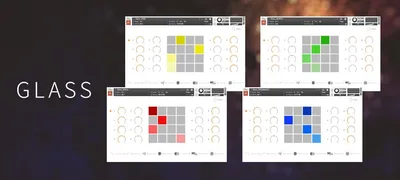
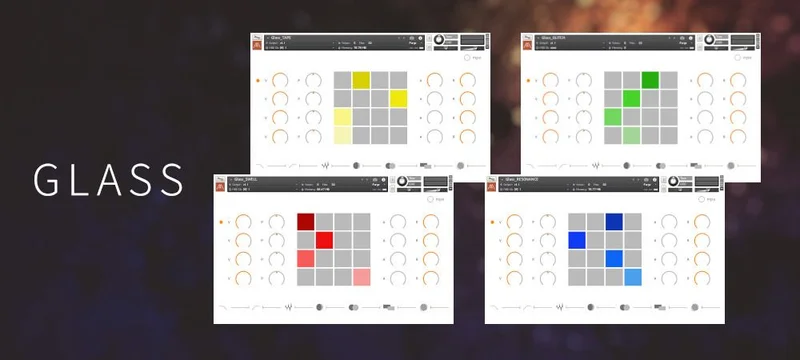
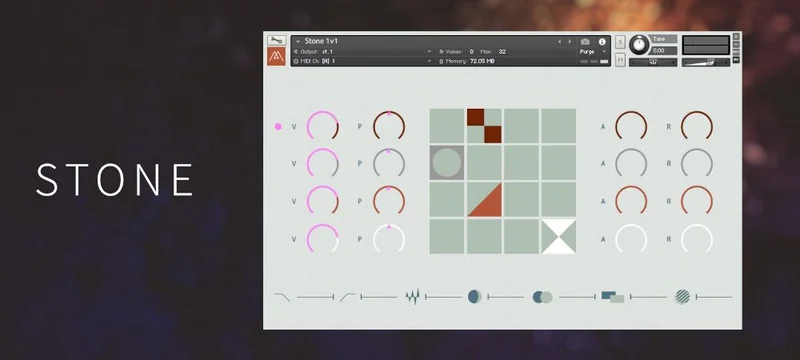
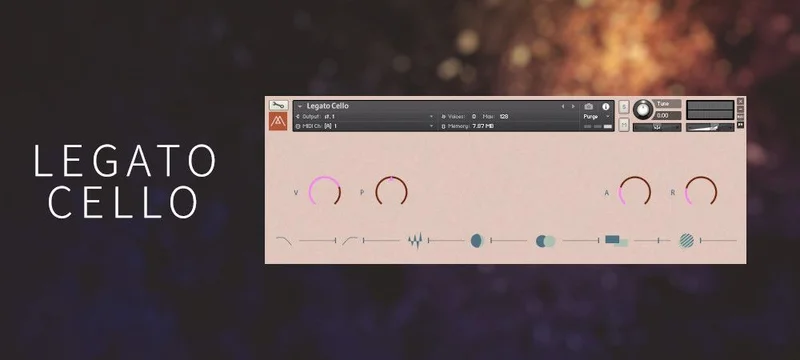
Stone handles evolving textural loops and droning low-end material. Glass is the most playable of the three, with 40 preset snapshots and an onboard effects suite that covers filtering, reverb, and basic modulation. Legato Cello brings 3 velocity layers with scripted vibrato, which is enough to sketch emotional cello lines without sounding like a MIDI mockup from 2008.
All three run inside Kontakt Player 6.3.1 or higher. You don't need the full paid Kontakt licence. That matters for budget-conscious composers.
The bundle's design philosophy is rooted in artists like Tim Hecker, Max Richter, Ben Salisbury, and Amon Tobin. You can hear it. These aren't samples trying to fake acoustic instruments. They're acoustic instruments that have been processed into something stranger and more useful for textural work.
The bundle has a standard retail price and has appeared at various lower sale prices across different storefronts. If you catch it at a good sale price, buy it without overthinking.
The Good
We loaded Stone into a sparse ambient session and pulled up the granular source layer. We pitched it down a minor third, set the attack to around 600ms, and let a held chord breathe for eight bars. It didn't flutter. It didn't thin out. It held together like a bowed metal sheet and sat underneath a live cello recording without masking the 200-400Hz body of the real instrument. That's the test we use. Most synth pads fail it.
Glass is where the 40 preset snapshots earn their keep. We found a filtered, bell-adjacent texture in the factory content, ran it through a send with Valhalla Vintage Verb at 3.2 seconds, and had a workable underscore bed in under four minutes. Fast. Satisfying.
The Legato Cello scripted vibrato is cleverer than the price suggests. At velocity 90+ it kicks in naturally. Below 60 it stays straight. That alone saves you from the robotic sustain problem that kills cheaper string libraries. It's not Spitfire. But it's honest.
The acoustic/electronic blend across all three instruments is the bundle's strongest argument. Sources include studio-recorded acoustic strings and woodwinds layered against modular synth patches. Blending them in the mix doesn't require heavy EQ correction because they were designed to coexist. That's rare at this price.
The Not-So-Good
The interface is almost childishly simple. That's not always a compliment.
We wanted to set up a mod wheel sweep that crossfaded between two sound sources in Stone while also controlling the filter cutoff in real time. You can't do it natively. The routing options are limited enough that experienced sound designers will feel constrained within an hour. You'll end up automating parameters from your DAW, which works, but it adds friction.
The Glass effects suite covers reverb, filtering, and basic modulation. It's fine for sketching. It's annoying if you want to use it as a precision design tool. We'd have loved a proper LFO routing matrix.
MPE controller support is a legitimate gap. There's no documentation. We tried mapping a Roli Seaboard to Legato Cello's vibrato depth parameter manually. It worked after about 25 minutes of fiddling. That's not how boutique instruments should behave in 2026.
At $139 full price, the value question is real. Output's Analog Strings covers similar acoustic/electronic hybrid ground with deeper modulation architecture. That comparison is uncomfortable for Murst.
Compared to the Alternatives
Output Analog Strings costs more and gives you a deeper modulation engine, a more polished GUI, and better MPE documentation. If you're routing an expressive controller through your signal chain regularly, it's worth the extra cost. Output Analog Strings review
Spitfire Audio LABS covers acoustic texture territory for free. The Soft Piano, Frozen Strings, and Amplified Cello Quartet are all zero cost. They're less experimental than Murst, but for composers who want useful rather than weird, LABS is hard to argue against. Best free Kontakt instruments
Omnisphere 2 costs considerably more and does everything Murst does and approximately 400 other things. But that's not a fair compar ison. Omnisphere is a production environment. Murst is a focused palette. If you already own Omnisphere, Murst adds very little. If you don't, Murst is a sharper entry point for this specific timbral territory. Omnisphere 2 review
For the pure ambient/textural use case on sale, Murst wins the category. Nothing else at these sale prices gets this close to the Tim Hecker zone without heavy post-processing on your end.
Who Should Buy This
- ✅ Buy if you score ambient, experimental, or hybrid cinematic content and want timbral material you won't hear in every other composer's reel
- ✅ Buy if you catch it on sale and own a Kontakt Player install already
- ✅ Buy if you're building a minimalist signal chain and want instruments that coexist without constant EQ correction
- ❌ Skip if your sessions are pop, hip-hop, or traditional orchestral, these instruments won't earn their keep
- ❌ Skip if you need deep modulation routing and a modern GUI, the interface will frustrate you within a session
- ❌ Skip if you already own Omnisphere 2 or Output Analog Strings, the overlap is too high at full price
Score Breakdown
| Category | Score | Notes |
|---|---|---|
| Sound Quality | 4.5/5 | Acoustic/electronic layering is tight; sources sit together without clashing |
| Value for Money | 3.5/5 | Excellent at sale prices and genuinely hard to justify at full $139 |
| Ease of Use | 4.0/5 | Simple interface speeds up sketching but limits advanced design |
| Features | 3.5/5 | 16 sources per instrument is strong; modulation routing is weak |
| CPU Efficiency | 4.5/5 | Light footprint, no CPU complaints across multiple DAW environments |
| Overall | 4.2/5 | Outstanding timbral niche, held back by interface limitations and full-price value question |
Alternatives to Consider
Output Analog Strings, Deeper modulation engine, better MPE integration, stronger GUI. Worth the higher price if controller expression is part of your workflow. Output Analog Strings review
Spitfire Audio LABS, Free acoustic texture instruments including Frozen Strings and Amplified Cello Quartet. Less experimental than Murst but zero cost. The right starting point if you're budget-constrained. Best free Spitfire LABS instruments
Native Instruments Straylight, Granular hybrid instrument built around evolving textures with a more sophisticated modulation matrix than Murst. If granular processing is your core tool, Straylight goes deeper. Native Instruments Straylight review
The Murst bundle doesn't lose those comparisons on sound. It loses them on architecture and documentation. If the timbral territory matters more to you than routing depth, Murst is the buy.
Wait for a sale and pick it up at a lower price. That's the price where the weaknesses stop being annoying and start being acceptable trade-offs for what you're getting: a boutique palette that sounds like nothing else in your library, built by people who clearly love the same records you do.
At $139, you'll wish the interface did more. At that lower price, you won't care.
Frequently Asked Questions
Do I need the full version of Kontakt to run the Murst Instruments Bundle?
No. All three instruments in the bundle are compatible with the free Kontakt Player 6.3.1 or higher. You don't need to own the full Kontakt licence, which you would have to buy separately from Native Instruments. Download the free Kontakt Player via Native Access and you're set.
What's the best price to buy the Murst Instruments Bundle at?
We've seen the bundle hit deep sale territory and lower promotional prices on Plugin Boutique during regular promotions. The MSRP is $139. We'd recommend waiting for a sale if you're not in urgent need. Check Plugin Boutique and the Murst Instruments site directly for current pricing, as it changes frequently.
Is the Murst Bundle useful for genres outside ambient and experimental scoring?
Honestly, it's a stretch. The sound sources are built around textural, evolving material. They work in hybrid cinematic, dark ambient, and experimental electronic contexts. For pop, hip-hop, EDM, or straight orchestral work, you'll find limited uses and plenty of instruments that serve those genres better at the same price point. This is specialist gear.
How does the Legato Cello compare to dedicated string libraries?
It's not competing with Spitfire Chamber Strings or LASS. The 3 velocity layers and scripted vibrato are good enough for textural sketching and emotional underscore lines, but you'll hear the limitations on exposed solo passages. Think of it as a complement to a full string library, not a replacement. For experimental or processed cello tones, it punches above its weight.