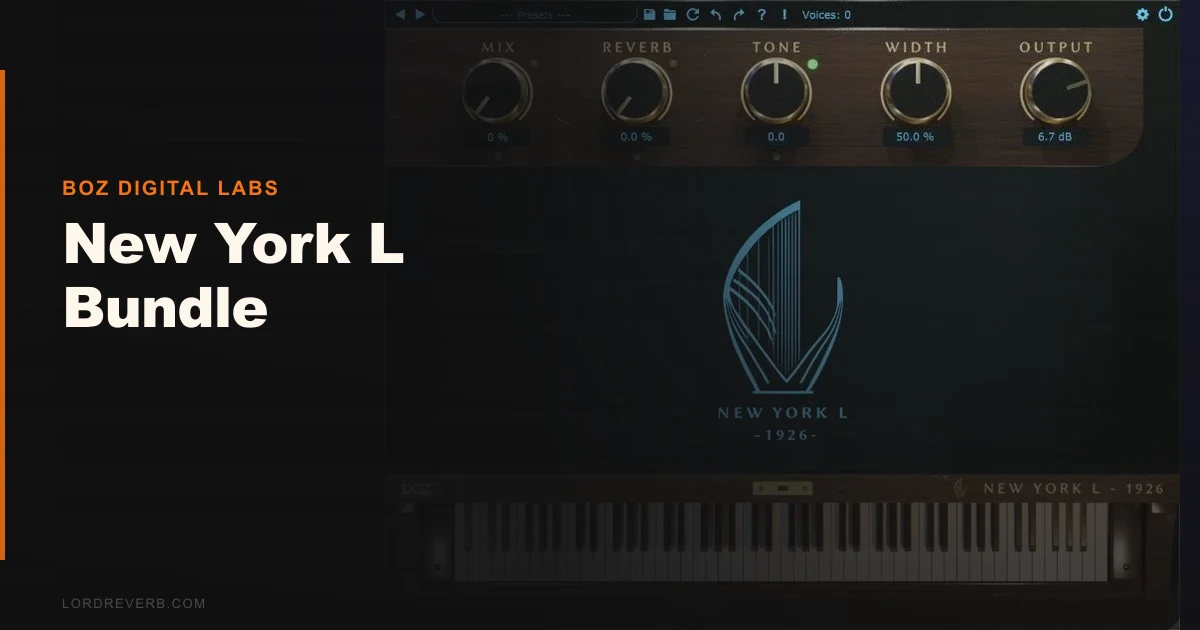
Can the New York L Bundle Replace a Real Studio Piano?
By Salvatore Tomaselli·2 albums, 6 singles as Lord Reverb. Now I test the gear that made them.
Affiliate disclosure: Some links in this article are affiliate links. If you buy through them we earn a small commission at no extra cost to you. We only recommend products we genuinely believe in — our editorial opinions are never influenced by affiliate relationships. Full policy
⭐
Score4.2 / 5
⏱
Read time9 min read
4.2/5
★★★★☆
Best forProducers and composers who need a realistic, session-ready upright or baby grand without paying four figures for a Kontakt library'
+Multiple mic perspectives give real mix flexibility
+6-band EQ and built-in reverb mean less signal chain setup
+$79 price is genuinely hard to argue with
✗ Cons
−Pro vs Lite distinction is under-documented and confusing at first
−CPU behaviour under heavy polyphony needs monitoring
−No standalone app, DAW required
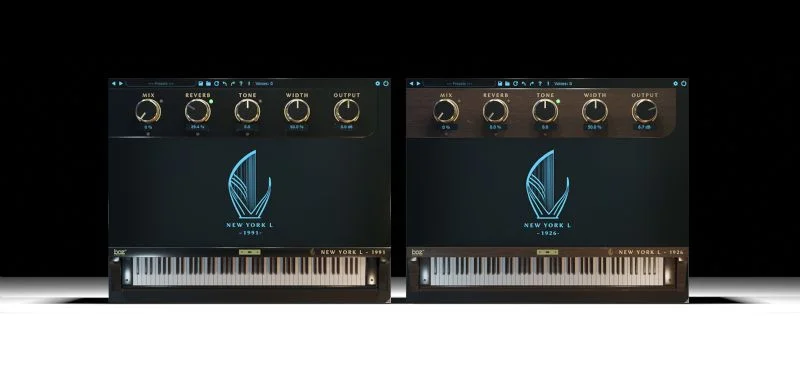
Most producers don't need a 9-foot Steinway concert grand. They need a piano that sits in a real room, recorded by someone who thought about where to put the mic, and doesn't cost $400. The New York L Bundle by Boz Digital Labs is exactly that product. It pairs two sampled Model L grand pianos, one from 1926, one from 1991, in a single bundle priced at $79 (down from $99), and it solves a very specific problem: finding a piano plugin that sounds like a recording, not a demo reel.
This review is for producers, composers, and studio musicians who want a convincing piano in their DAW without the library bloat or the sticker shock. If that's you, keep reading.
The Problem This Solves
Concert grand piano plugins dominate the market. Full-length Steinways, Bösendorfers, nine-foot instruments sampled in cavernous halls. They sound magnificent in solo recordings. They're a nightmare to place in a dense mix.
The Model L sits at just under 6 feet. That's not a compromise. Smaller body means tighter low-end, less bloom in the low-mids, and a midrange that doesn't eat every other element in your arrangement. Session pianists and recording engineers have known this for decades. Most pop, jazz, and singer-songwriter records are tracked on shorter grands, not the showpieces you see on concert stages.
Boz Digital Labs built this bundle around that reality. Two instruments, two eras, one practical size. It fills a gap that most plugin developers ignore because shorter pianos don't photograph as impressively.
How It Performs
We loaded both pianos back to back in Logic Pro X on an M2 MacBook Pro, 32GB RAM, with a session already running strings, bass, and drums.
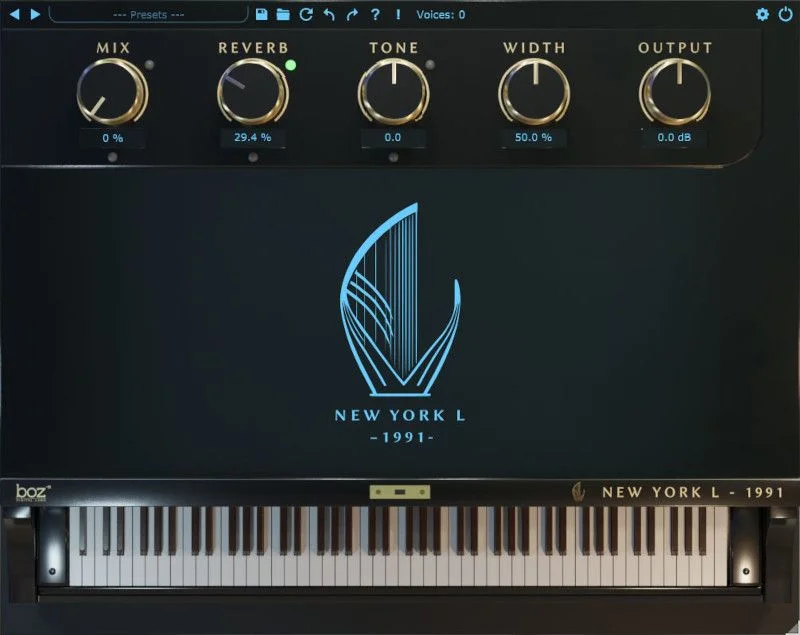
The 1991 model is the cleaner of the two. We played a sparse jazz voicing, open fifths in the left hand, melody in the right. The attack was immediate and defined. No excessive bloom. The sustain trail was natural without sounding padded or synthetic. When we dropped it into a mix bus with light compression at 2:1, it sat without fighting. That's what we want from a session piano.
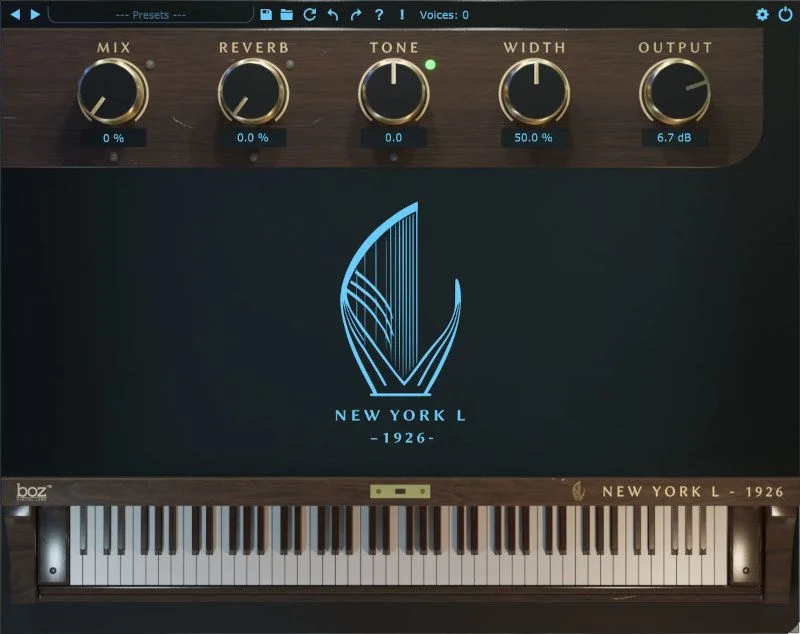
The 1926 model is different in a way that matters. Nearly a century of use gives it a character that EQ can't fake. There's a gentle softness to the upper harmonics above around 5kHz, and the low register has a warmth that reads as weight rather than mud. We ran a solo piece through it and left the reverb tail at roughly 1.8 seconds using the built-in reverb. The decay felt lived-in. Satisfying in a way that newer piano samples rarely are.
The 6-band EQ is functional. Nothing fancy. We used it to pull 2.5dB at 280Hz with a moderate Q to clean up the low-mid boxiness on the 1926, and it responded cleanly. Multiple mic perspectives let you shift between positions without re-sampling. We'd have liked one more close position, but what's there covers most use cases.
CPU load was light to medium under normal polyphony. Push into dense cluster chords and you'll notice it climbing, but nothing alarming on a machine from the last four years.
Strengths and Weaknesses
The strongest thing about this bundle is the contrast between the two pianos. They're not the same sample set with different EQ curves applied. They genuinely sound like different instruments. That's rare at this price point. Most budget piano bundles give you slight variations on the same character.
The 1991 model is the one we'd reach for on 70% of sessions. It's clean, it's versatile, and it translates well from headphones to speakers. The 1926 is a specific tool. It's brilliant for solo work, film scoring, anything where character matters more than neutrality.
The Pro and Lite versions confused us at first. Boz Digital Labs doesn't shout loudly about what distinguishes them, and we wish they did. After digging in: the Lite versions have a smaller disk footprint and reduced articulation depth. Workable, but the Pro versions are clearly the better instruments. The lack of upfront documentation is annoying.
We also noticed the built-in reverb, while useful for quick demos, isn't something we'd use on a finished mix. It does the job for sketching. For anything going out the door, you'll want to bypass it and reach for something like a dedicated reverb plugin in your signal chain.
Value for the Price
At $79, this is hard to beat. You're getting four plugins total (Pro and Lite versions of each piano), two genuinely distinct sonic characters, mic perspectives, built-in EQ, and reverb. Competing libraries from UVI or IK Multimedia for similar quality run $150 to $300 and often require a separate sample player with its own CPU overhead.
The discount from $99 to $79 isn't a permanent sale as far as we know. Check the Boz Digital Labs site for current pricing before you buy. But even at the full $99, this bundle is priced honestly for what it delivers.
It's not the most detailed piano library we've ever used. It's the right piano library for the price we're talking about. That's a different thing, and it matters.
Who Should (and Shouldn't) Bu
y This
✅ Buy if you produce jazz, folk, indie, or singer-songwriter music and need a piano that sits in a mix without constant EQ surgery.
✅ Buy if you want two distinct piano characters, not just one sampled instrument with presets.
✅ Buy if you're working on a budget and need a professional-sounding result for under $100.
❌ Skip if you need the power and detail of a full concert grand for orchestral or classical solo recording. This isn't that instrument.
❌ Skip if you're already deep in a premium ecosystem like Native Instruments or Spitfire. Their piano offerings at similar or slightly higher prices will integrate more tightly with your existing workflow.
❌ Skip if you need a standalone app. This runs inside your DAW only, and that's a hard limit for some workflows.
Score Breakdown
Category
Score
Notes
Sound Quality
4.3/5
Two genuinely different characters; the 1926 has real personality
Value for Money
4.5/5
Four plugins for $79 is a strong deal at this quality level
Ease of Use
3.8/5
Pro vs Lite distinction is underdocumented; UI is clean once you understand it
Features
4.0/5
6-band EQ, multiple mic positions, built-in reverb all present and functional
CPU Efficiency
3.8/5
Light under normal use; peaks under dense polyphony
Overall
4.2/5
A well-priced, session-practical piano bundle that does exactly what it claims
Alternatives to Consider
UVI Grand Piano Model D: More detailed sampling, closer to a full concert grand character. Runs on UVI Workstation (free), but the library itself costs more. Worth it if you need that scale of instrument. See our roundup of the best virtual piano plugins for a broader comparison.
IK Multimedia Pianos: The Steinway and Bösendorfer models in the IK ecosystem are excellent. They're also significantly pricier and require SampleTank. The New York L Bundle wins on simplicity and price. If you're already in the IK world, consider their offerings. If you're not, don't buy in just for the piano.
Spitfire Audio LABS Felt Piano: Free. Genuinely good. Completely different character from the New York L instruments. We'd keep both installed. Check our guide to free piano plugins worth using if budget is tight.
If you're also building out your signal chain for piano-forward productions, our Waves Vocal Rider review covers a tool that pairs well for managing piano dynamics in live or vocal-led sessions.
Our Final Call
The New York L Bundle doesn't try to be the most impressive piano plugin in the room. It tries to be the most useful one in your session. At $79, with two instruments that actually sound different from each other, multiple mic perspectives, and enough onboard processing to get a track moving quickly, it succeeds.
The Pro vs Lite documentation gap is a frustration we'd like Boz to fix. The built-in reverb won't survive a final mix. These are real complaints.
But here's the truth: we'd buy this. We'd install the 1991 Pro version, dial in the mic position closest to the hammers, pull a little low-mid with the EQ, and track piano for a pop or jazz session in under ten minutes. That's the whole pitch. It works.
Skip this if you're scoring a Scorsese film. Buy it if you're making records. The gap between those two sentences is where the New York L Bundle lives, and it's comfortable there.
Frequently Asked Questions
What's the difference between the New York L Pro and Lite versions?
The Pro versions include deeper articulation layers and a larger sample set, which means more natural response across the full dynamic range. The Lite versions have a reduced disk footprint and fewer velocity layers. For production use, we'd always load the Pro version. The Lite makes sense on older machines or when disk space is tight.
Do the 1926 and 1991 pianos sound dramatically different?
Yes, and that's the whole point of buying the bundle. The 1991 is clean, neutral, and versatile. The 1926 has a softer top end and a rounder low register that comes from age and use. They're not interchangeable, and that's a strength.
Does the New York L Bundle work in Ableton Live?
Yes. It supports VST3 and AU formats, which cover Ableton Live 11 and 12 on both Mac and Windows. AAX support means it works in Pro Tools as well. Load it as an instrument plugin the same way you'd load any other virtual instrument.
Is there a free trial of the New York L Bundle?
Trial availability changes. Check the Boz Digital Labs website directly for current options. Boz does occasionally offer demo versions or money-back windows, so it's worth checking before committing to the full purchase.
Share this article
Salvatore Tomaselli
2 albums, 6 singles as Lord Reverb. Now I test the gear that made them.
Salvatore Tomaselli has spent twelve years in studios as a producer, mix and mastering engineer. He's worked across genres, tested hundreds of plugins, and built more signal chains than he can count. Salvatore started writing for LordReverb because most gear coverage is either sponsored fluff or spec-sheet copy-paste. He tests everything before writing about it. No gear gets a pass just because it's popular.
Community
What's in your stack?
Every artist on LordReverb has a setup. Show yours. DAW, plugins, hardware, the lot. Free, takes 2 minutes.