Valves Pro gets compared most often to Spitfire's Albion Neo and Output's Forzo, and if your brief is aggressive orchestral brass, those comparisons will kill it dead. This review is going to land somewhere different: Valves Pro is not trying to win that fight, and it doesn't. What it does instead, at $299, is own a corner of soft, intimate brass scoring that most libraries completely ignore.
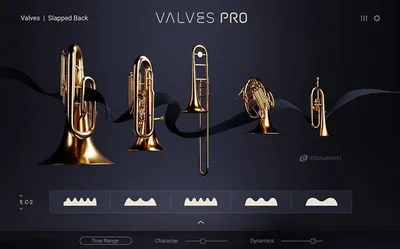
The library runs three sampler instruments: Player, Solo (with Virtuoso mode), and Ensemble. The ensemble pulls from flugelhorn, French horn, trombone, euphonium, and tuba. Native Instruments recorded the whole thing with leading session players, and the developer says it delivers the finest warm and mellow brass sounds available in a virtual instrument.
If you write cinematic scores, contemporary beat-driven music, or anything where the brass needs to feel close and human rather than stadium-wide, this is one of the most focused tools you can buy. If you need fff trailer hits, you're in the wrong place. Skip it.
How Does It Stack Up Against Albion Neo and Forzo?
Albion Neo handles unsettling brass at low dynamics. Forzo has oddball low-dynamic capabilities that no one else touches. Valves Pro sits between them tonally but goes deeper on playability.
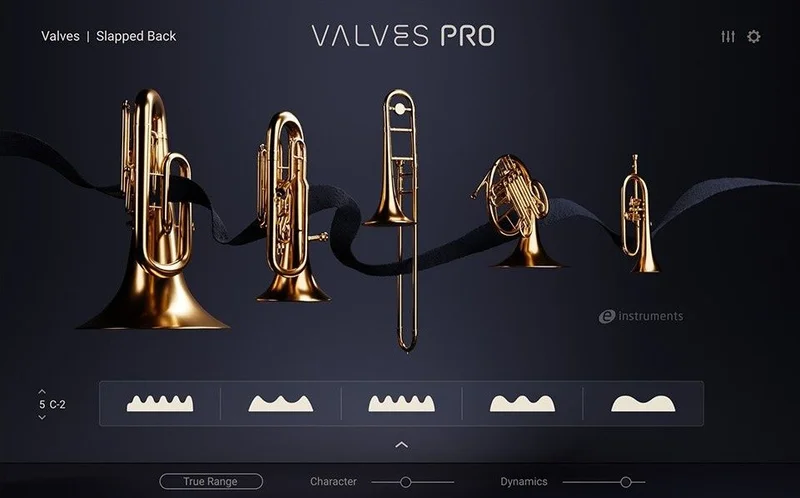
Where Albion Neo tends toward atmospheric pads and Forzo leans into texture, Valves Pro is built for melodic performance. You get 62 articulations versus the 25 in the original Valves. That's not padding out a spec sheet: it's the difference between a phrase that breathes and one that just sustains.
Mojo 2 comes up in the same conversations. Its shorts can be finnicky, reviewers note, and it doesn't offer anything like Virtuoso mode. That workflow gap matters once you're actually building a cue.
Afflatus Brass's Noir patch covers similar emotional ground. But if you want polyphonic legato with auto divisi baked in rather than bolted on, Valves Pro has an edge most of those alternatives can't match.
Performance Deep Dive
The headline number is 62 articulations. That's a lot. Reviewers flag a real learning curve getting across them all, and we'd agree it's not something you absorb in an afternoon.
Virtuoso mode is where the learning curve pays off. It reads your playing dynamics and switches articulations automatically. You don't memorise keyswitches. You play, it adapts. Reviewers consistently call this a major workflow improvement, and that's a fair read.
The polyphonic legato with auto divisi is the other headline. Load the Ensemble instrument and stack a voicing: the library handles the voice distribution. Reviewers describe this as genuinely unexplored territory in brass sampling.
Storage is a real conversation. The library sits at 30.9 GB compressed, 50.7 GB uncompressed. That's a commitment. Budget your drive space before you buy.
One honest wrinkle: reviewers report telltale velocity bumps on solo instruments during articulation transitions. Programmable around? Yes. Invisible? Not always. It's annoying enough to name.
The Kontakt 7 requirement is also worth flagging. If you're running K6 or the older free Player, this won't open. That's a real hurdle for some setups.
Where Valves Pro Wins
The warm, mellow register is where this library lives, and there's almost nothing else doing it this well at this depth. If you're scoring a slow-burn drama cue and you want the brass to feel like it's in the room with you rather than in a concert hall, Valves Pro is the answer.
Virtuoso mode is brilliant. Hate keyswitching? Load the Solo instrument, play the phrase, and let it do the articulation work. That alone is worth the price for anyone building cues fast under deadline.
The 210-plus presets are a real starting point, not filler. You can also build your own phrases on top of them. That combination of starting material and flexibility is underrated in a library this size.
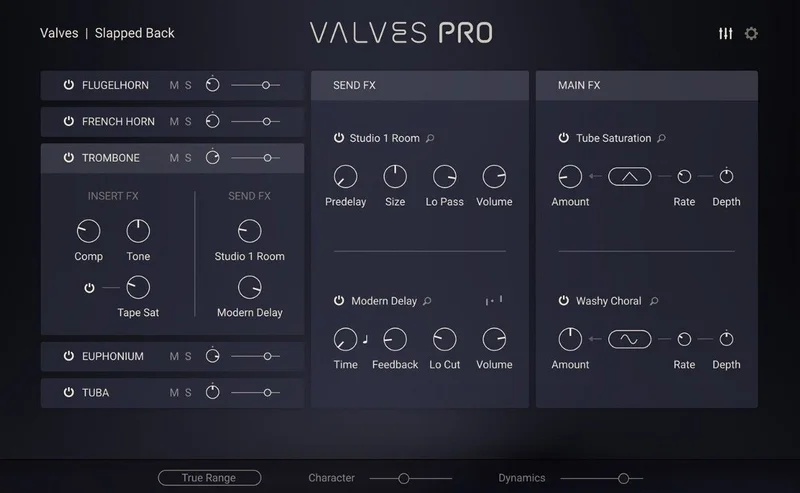
Dual microphone options, condenser and ribbon, mean you can dial in brightness or roll it back without reaching for an EQ. That kind of source flexibility saves mix time.
Where the Competition Wins
Dynamic range is the honest answer. Valves Pro tops out at soft. Push it toward forte and you hit a ceiling that Forzo and Mojo 2 don't have. For trailer brass, action cues, or anything that needs to slam at fff, this library simply won't get there.
One reviewer expressed disappointment about realism versus customisability, comparing the feeling to previous NI orchestral upgrades that felt iterative rather than transformative. That's a minority view: four other reviewers were positive or conditionally enthusiastic. But it's a real perspective, and if you've been burned by NI orchestral libraries before, it's worth sitting with.
The tuba playing an octave below the ensemble rather than in unison is a frustrating design choice. It's not wrong musically, but it catches you off guard the first time you build a chord voicing and the bottom falls out differently than you expected.
No standalone sustain patch without legato layers is another gap. Instruments won't play in unison, which limits some writing approaches you'd take for granted in other brass libraries.
Who Should Buy Valves Pro?
- ✅ Buy if you score slow, emotional cues where brass needs to feel intimate rather than cinematic-epic.
- ✅ Buy if you hate keyswitching and want Virtuoso mode to handle articulation logic while you focus on the performance.
- ✅ Buy if your Kontakt 7 is already licensed and you have 31 GB of drive space free right now.
- ❌ Skip if your brass cues need to hit hard at full dynamic range. This library won't get there.
- ❌ Skip if you're on Kontakt 6 or below and aren't planning to upgrade.
- ❌ Skip if you need a general-purpose orchestral brass workhorse that covers every dynamic from whisper to wall.
Specs & Technical Details
| Developer | Native Instruments |
| Price | $299 |
| Plugin Format | Kontakt Instrument (VST3 / AU / AAX via Kontakt) |
| OS Support | Mac / Windows |
| Activation | Native Access |
| Library Size | 30.9 GB compressed / 50.7 GB uncompressed |
| Articulations | 62 |
| Presets | 210+ |
| Instruments Included | Flugelhorn, French Horn, Trombone, Euphonium, Tuba |
| Sampler Instruments | 3 (Player, Solo with Virtuoso mode, Ensemble) |
| Requirements | Kontakt 7+ or free Kontakt Player |
| CPU Usage | N/A |
| Trial Available | N/A |
| Version Reviewed | N/A |
Score Breakdown
| Category | Score | Notes |
|---|---|---|
| Sound Quality | 4.5/5 | Warm, mellow brass textures that reviewers consistently flag as genuinely unexplored in sampling |
| Value for Money | 4.0/5 | 62 articulations and 210+ presets justify $299, but only if soft dynamics are your actual workflow |
| Ease of Use | 3.5/5 | Virtuoso mode is clever, but the full articulation set has a real learning curve |
| Features | 4.5/5 | Polyphonic legato, auto divisi, dual mic options, and three instrument types is a strong package |
| CPU Efficiency | N/A | No independent data available; 50.7 GB uncompressed suggests drive speed matters more than CPU |
| Overall | 4.2/5 | Best soft brass library for its price range, with real limits at high dynamics |
Alternatives to Consider
If Valves Pro isn't quite the right fit, here's where we'd look next.
Spitfire Albion Neo handles low-dynamic brass with a more atmospheric, unsettling character. If your cues are darker and texture-first rather than melodic, it's worth comparing.
Output Forzo goes after oddball low-dynamic tones and ensemble texture. It's not a melodic library, but if you want brass that sits under a bed rather than through it, Forzo covers ground Valves Pro doesn't.
Afflatus Brass (Noir patch) covers similar emotional territory. If you want a different tonal palette for intimate brass and already have Afflatus, you may find the overlap between the two libraries significant enough to choose one over the other.
For broader context on building a Kontakt-based instrument setup, Kontakt instruments guide for beginners is a solid starting point. And if you want to see how other focused, character-driven Kontakt instruments are built, Palm Mute Piano review is a useful comparison in terms of niche-tool philosophy.
Should You Buy Valves Pro?
At $299, Valves Pro is one of the most focused soft-brass libraries at this depth. That focus is also its only real weakness: it does one thing brilliantly and stops cold when you push past it.
You'll love Virtuoso mode. You'll love the polyphonic legato. You'll find the 62 articulations overwhelming at first, and then you'll realise that's what makes it feel human.
You'll hate the ceiling when a cue needs more weight than this library can give. And the tuba-an-octave-lower thing will catch you at least once.
Buy it if soft, evolving brass is a gap in your template sessions. Hard pass if your brass needs to crack the mix at full volume. That's not what this is for, and no amount of wishing will change it.
Related reviews: Portal · Honest Temple Drums Review
Frequently Asked Questions
Does Valves Pro work with the free Kontakt Player?
Yes. It runs on Kontakt 7 or the free Kontakt Player at version 7 or above. If you're on Kontakt 6 or earlier, this library won't load. That's a hard requirement, not a suggestion, so check your version before you buy.
What's the difference between Valves and Valves Pro?
Valves Pro expands on the original with 62 articulations versus 25, adds 210-plus presets, brings in three distinct sampler instruments (Player, Solo, and Ensemble), and introduces Virtuoso mode for automatic articulation switching. The original Valves is leaner and cheaper. Pro is the version worth buying if soft brass is a regular part of your workflow.
Is Valves Pro suitable for trailer brass and action cues?
No. The library lives at soft dynamics. Reviewers consistently note that it won't cover aggressive or fff brass. For trailers and action cues you'll want a different library alongside it. Think of Valves Pro as the intimate scoring tool in your setup, not the wall-of-brass closer.
How much drive space does Valves Pro need?
The library is 30.9 GB compressed and 50.7 GB uncompressed. Install it on a fast SSD if you can. At that size, a slow mechanical drive will affect load times and streaming performance in ways that get frustrating fast.