The claim most often repeated about Lone Forest is that it creates deep, hypnotic, immersive soundscapes for dub techno production. That claim holds up, with one honest qualifier: it holds up for people already inside the MPC ecosystem who actually make dub techno. If that's not you, this expansion is the wrong tool entirely.
At $19, Lone Forest is a focused, no-compromise pack. It won't serve you as a general-purpose expansion. It won't pull double duty on boom bap or melodic house. What it does is give you 40 fully programmed MPC kits, 35 instrument presets, 335 drum samples, 82 loops, and 223 one-shots, all pointing in one direction: dark, reverb-drenched, dubbed-out electronic music.
Owners report that the sounds are extremely good for dub techno work specifically. That's the key phrase. If you're chasing that Berlin basement, Detroit warehouse, Scandinavian frost sound, Lone Forest delivers. If you expected something broader, that's a mismatch in expectations, not a flaw in the pack.
This review builds the full picture around value. At $19, is it worth it? For the right producer: yes, clearly. For anyone else: skip it and find something that fits your genre first.
What Native Instruments Promise
Lone Forest is a dub techno sound library drawing on three distinct scenes. Scandinavian experimentalism. The dub scenes of Detroit. And the Berlin techno underground.
That's a specific creative triangle. The developer says the pack delivers deep, hypnotic, immersive soundscapes, and calls it perfect for dark, dubbed-out techno productions. Those aren't vague marketing words here. They're a surprisingly accurate description of a narrow genre, which tells you something useful: they know exactly who this is for.
The promise includes dub basses with weight and movement, crackling percussion with that analogue-degraded feel, and reverb-drenched synths that blur the line between melody and atmosphere. Special kits for drones and textures sit alongside the main drum kits, giving the pack a rare ambient utility that most beat-focused expansions skip entirely.
All of that comes in a 749.5 MB package, compatible with MPC software and standalone MPC hardware running version 3.4 or above.
What Holds Up
The drum sounds hold up well. 335 samples built for dub techno means crackling snares, compressed kicks with sub-weight, and hi-hats that drift slightly off the grid in a way that feels right for the genre. Load a kit and push the reverb. That's where the character comes through.
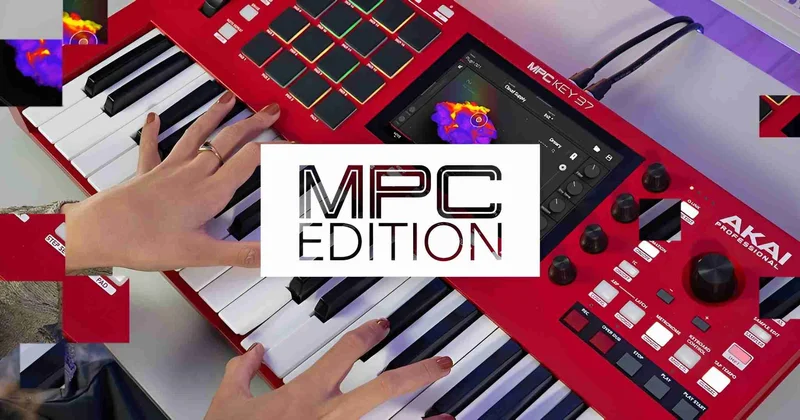
The 40 MPC kits are where the real value lives. Each one is a pre-built starting point. If you're the type who finds staring at a blank session frustrating, having 40 genre-specific kits loaded and ready to trigger changes your workflow immediately. You pick a kit, play a pattern, adjust velocities, and you're making music instead of sound-designing.
The drone and atmospheric texture kits are genuinely useful and underrated. Most beat-focused expansions ignore this territory. Lone Forest has dedicated kits for it, which means if you're building a 10-minute dub techno track with an evolving intro, you've got proper material to work with rather than stretching drum samples past their limits.
Owners also note that the drums can be loaded into Battery for DAW use. That's a practical win. If you sketch something on your MPC and want to finish it in Ableton or Logic, pulling the same drum samples into Battery keeps continuity in your project. No need to re-sample or approximate.
The 82 loops and 223 one-shots round things out. The loops alone are worth having as arrangement tools. Drop one in and let the reverb tail breathe. That's the sound the pack is built around.
Where the Reality Falls Short
Some owners find Lone Forest less deep in sound design compared to Akai's own expansions. Specifically, Fabric and Jura come up in those comparisons. That's worth taking seriously. If you want layered modulation, complex multi-sampled instruments, or patches with real playability depth, the Akai options may satisfy you more. Lone Forest's instrument presets serve the genre, but they don't go very deep under the hood.
The standalone installation process is annoying. If you want to run Lone Forest on your MPC without a computer nearby, you need to either connect to a machine or transfer files via SD card. That's a friction point that feels out of place in 2026, especially for a hardware-first workflow. If you're in a live set, travelling, or working in a space without your computer, that's a real inconvenience.
Loading times from external storage are slower than from internal disk. That's not unique to Lone Forest, but if your MPC is running samples from a card rather than internal memory, you'll notice the lag.
The genre lock is the biggest structural limit. This isn't a pack you can repurpose. If you want to make dub techno on Tuesday and boom bap on Thursday, Lone Forest covers only half your week. That's not a complaint exactly, but at any price point, knowing what you're buying matters.
The Dub Techno Workflow in Practice
You load a Lone Forest kit, pick one of the crackling beat patterns, and start building a chord progression from the instrument presets. The reverb-drenched synth pads bleed into each other the way they're supposed to in this genre. You're not fighting the sounds. They want to be used this way.
The dub bass presets are where the low end comes from. Push the bass into a pattern and let it breathe across four bars. The movement is built in. That slow, underwater drift is the defining feel of the genre and these presets carry it without you having to automate much to get there.
Now you want to add atmosphere. Pull up one of the drone kits. These sit in the mix differently than the main drum kits. They're longer, more textural, designed to loop underneath everything else without competing with the percussion. Put one on a separate track, roll the volume down, and let it run. Your track starts to feel like a place, not just a beat.
The frustration arrives when you try to push outside that scene. The kick isn't right. The snare has too much room. The bass presets don't sit where you need them. The expansion isn't broken. You're just using it wrong.
Sound Palette in Detail
The 35 instrument presets are split across the dub bass, reverb synth, and atmospheric texture categories. The bass sounds have genuine sub-weight. Stack one with a kick sample from the drum kits and you'll feel it, not just hear it.
The synth presets lean heavily on reverb and delay. That's not a complaint. That's the genre. What you get are pads that shimmer, leads that dissolve before they fully arrive, and chord presets that feel like they're being heard through fog. If that sounds like a problem, you don't make dub techno. If that sounds satisfying, you're the right audience.
The crackling percussion samples deserve a specific mention. They're not clean 808 hits. They've got texture, vinyl-style noise, and slight pitch movement baked in. That dynamic range makes them usable across a whole track without sounding mechanical.
The 82 loops are pre-made grooves. Some owners lean on these as sketch tools, dropping one in to establish a feel before building out the kits. That's a legitimate way to use them. They're not meant to be your final arrangement. They're genre-specific starting points.
Who Gets the Most From This
You're the right buyer if you own a compatible MPC and you make dub techno, dark ambient, or experimental electronic music. Specifically: MPC Key 37, MPC Key 61, MPC One+, MPC One, MPC X, MPC X Special Edition, MPC Live, MPC Live II, MPC Live 3, or MPC XL running 3.4 or above.
If you're a producer whose work diverges from boom bap or mainstream electronic styles, owners report Lone Forest fits that experimental territory well. The Scandinavian influence shows up in cold, spaced-out textures that don't feel like American club music at all. That's a niche, but it's a real one.
You're the wrong buyer if you want a broad-purpose expansion. You're also the wrong buyer if you need deeper sound design tools with more modulation under the hood. The SD card or computer requirement for standalone installation adds friction to a hardware workflow.
The Verdict
At $19, Lone Forest is a clever, honest purchase if you're already committed to dub techno on MPC hardware. It doesn't pretend to be something else. It gives you 40 kits, 335 samples, drones, atmospheric textures, and dub basses that sit where they're supposed to sit. The loading inconvenience is real and the sound design doesn't go as deep as Akai's own comparable packs.
But the sounds are right. Owners say so consistently. If your sessions look like long, hypnotic patterns with reverb-soaked everything and slow bass movement, this pack saves you hours of sound design. That's worth $19 with no hesitation.
If your sessions look like anything else, the same money serves you better elsewhere.
Specs & Technical Details
| Developer | Akai |
| Price | $19 |
| Plugin Format | MPC Expansion (MPC Software / Standalone MPC hardware) |
| OS Support | N/A (MPC hardware and software only) |
| Activation | N/A |
| CPU Usage | N/A |
| Trial Available | N/A |
| Version Reviewed | N/A |
| File Size | 749.5 MB |
| Kits Included | 40 MPC kits |
| Instrument Presets | 35 |
| Drum Samples | 335 |
| Loops | 82 |
| One-Shots | 223 |
| Minimum Software Version | MPC 3.4 |
| Compatible Hardware | MPC Key 37, MPC Key 61, MPC One+, MPC One, MPC X, MPC X SE, MPC Live, MPC Live II, MPC Live 3, MPC XL |
Score Breakdown
| Category | Score | Notes |
|---|---|---|
| Sound Quality | 4.0/5 | Dub techno sounds are genre-accurate with real low-end weight and texture; drum samples have satisfying dynamic range |
| Value for Money | 4.0/5 | 40 kits plus drones and textures at this price point is strong if the genre fits; wasted value if it doesn't |
| Ease of Use | 3.0/5 | Standalone installation via SD card or computer connection is an unnecessary friction point in a hardware workflow |
| Features | 3.5/5 | Drones and atmospheric kits add useful range; instrument presets don't go deep enough for complex sound design |
| CPU Efficiency | N/A | Not applicable to this expansion format |
| Overall | 3.8/5 | Excellent for its specific genre; too narrow to recommend broadly |
Alternatives to Consider
Akai Fabric comes up repeatedly alongside Lone Forest in owner comparisons. It's noted for going deeper in sound design. If you want more programmable depth in your patches and instruments, rather than ready-made kits, Fabric is the comparison to make first.
Akai Jura is the other expansion that owners mention when they want more under the hood. It's built for Akai hardware too, and owners place it ahead of Lone Forest when sound design complexity is the priority. If layered modulation and playable depth matter to you, check Jura before committing here.
Arcane Attic is a Native Instruments expansion that gets praised in the same conversations as Lone Forest. Owners mention them together as a pairing. If Lone Forest sits right for your genre, Arcane Attic is a companion worth looking at. Cloud Supply also shows up in that context, used alongside Lone Forest in the same projects.
None of these are identical replacements. Lone Forest has a specific atmospheric texture focus and dub techno character that the Akai packs approach differently. Know what you want before you switch.
If dub techno is your thing and you own an MPC, Lone Forest earns its place. The crackling drums, the dub basses, the reverb-soaked synths and those drone kits sit together in a way that takes real craft to build from scratch. At $19 that's real value for a real genre.
If you're on the fence because you're not sure dub techno is your lane, that uncertainty is your answer. This pack doesn't meet you halfway.
Related reviews: Future House for Instachord · Premier Beats for Maschine & Ableton
Frequently Asked Questions
What MPC hardware is Lone Forest compatible with?
Lone Forest works with MPC Key 37, MPC Key 61, MPC One+, MPC One, MPC X, MPC X Special Edition, MPC Live, MPC Live II, MPC Live 3, and MPC XL. You'll need to be running MPC software or standalone firmware version 3.4 or above. Any hardware outside that list won't load it.
Can you use Lone Forest samples in a DAW without an MPC?
Owners report loading the drum samples into Native Instruments Battery for DAW use, which keeps your sounds consistent if you move between MPC hardware and an in-the-box session. Outside of that workaround, the expansion is designed around the MPC ecosystem and doesn't function as a standalone plugin format.
How do you install Lone Forest on a standalone MPC?
Standalone installation requires either connecting your MPC to a computer or transferring the expansion files via SD card. There's no over-the-air installation direct to the hardware. Owners flag this as an inconvenience, especially if you're working away from a computer.
Is Lone Forest good for genres outside dub techno?
Honestly, no. The sounds are built for dub techno, dark ambient, and experimental electronic music. Owners specifically note it suits music that diverges from boom bap styles. The reverb-heavy synths, dub basses, and atmospheric textures don't translate well to hip-hop, pop, or other genres without heavy reworking. Buy it for dub techno or don't buy it.
How does Lone Forest compare to Akai's own expansions like Fabric or Jura?
Some owners feel that Fabric and Jura go deeper in sound design, offering more programmable complexity under the hood. Lone Forest is praised for its sound quality in genre, but its instrument presets don't offer the same modulation depth as those Akai options. If playable, deeply programmable instruments are your priority, the Akai expansions are worth comparing directly before you decide.