Affiliate disclosure: the buy button is an affiliate link to the store. If you buy through it we earn a commission at no extra cost to you. Full policy

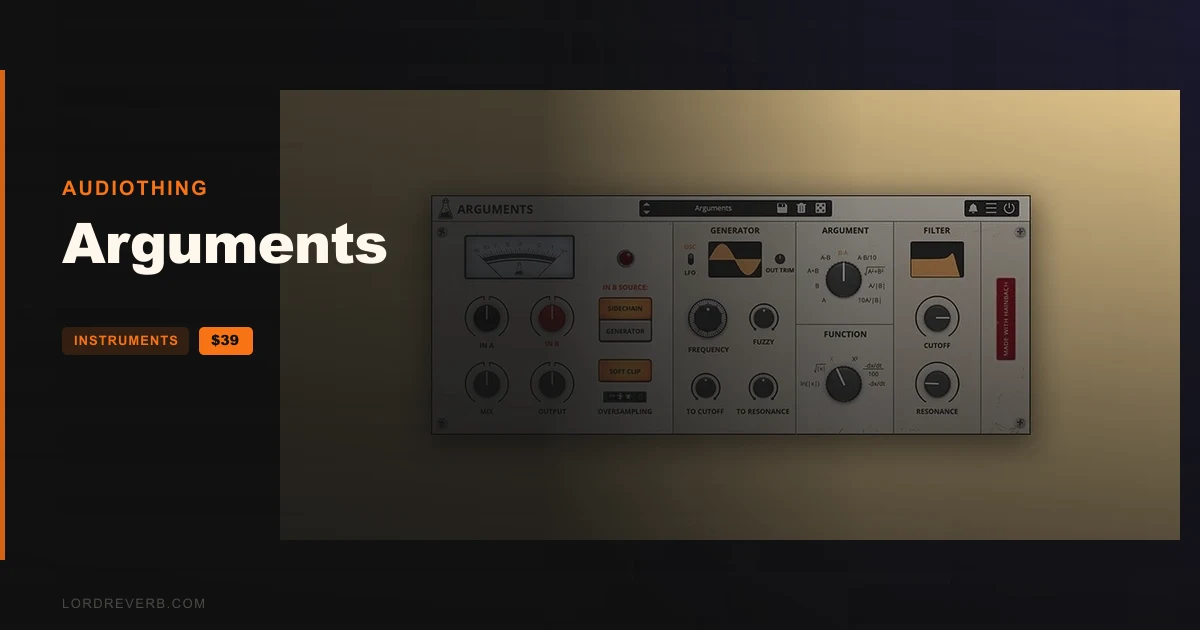
Arguments by AudioThing Black Friday pricing is 43% off, which puts this test equipment tone generator and dual-signal processor at $39 until Nov 29, 2026.
Arguments takes its look from old lab bench gear and handles two jobs: it can generate tones, and it can shape audio on two paths. It takes two signals and combines them with math taken from analog nuclear research processors.
The maker says the results are dynamic, often unpredictable, and always unique.
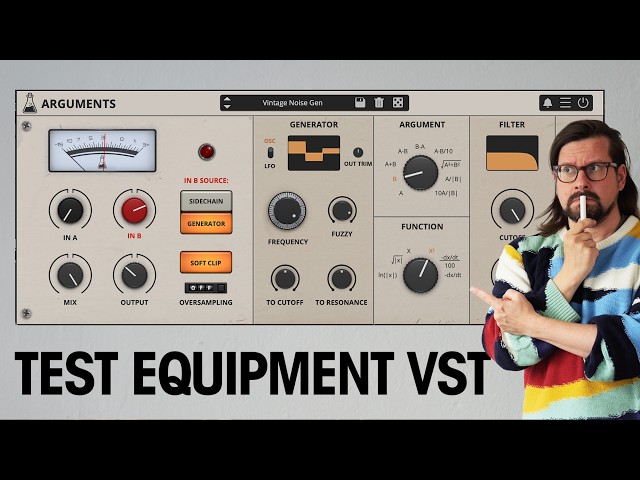
The signal path has two inputs, A and B. B comes either from an external side-chain or from the internal generator. An argument block puts the two together, then a function block processes the result.
A multi-mode filter stage follows for shaping and modulation. AudioThing used analog modeling at every stage, aiming for the sound of the rare vintage units behind it rather than a calculator.
The maker says that range runs from simple boosting to high-passed industrial grit, and from rhythmic modulation to raw textures.
Yes. Each part works on its own, so the maker lists three standalone uses: a test tone generator, a distortion unit, and a multimode filter.
The maker describes oversampling as a sound-shaping tool. Gain is high internally, so extreme tones arrive fast. Switch oversampling off for industrial fuzz, which the maker says shreds hardest in -dx/dt mode.
The maker says the most interesting sounds appear when the math fails. Set the gain of A and B right at the edge before the sound disappears, and the tones start to resemble overloaded op-amps in rare instruments like the PAR CR4-A. Mapping A and B to MIDI controllers makes that gain staging playable.
Rhythmic material and simple sounds work well as sources. An electric piano with a drum loop is the maker's example.
Run the generator in LFO mode in time with a drum beat to shape its accent. The maker suggests A+B and X², and says clicking the LFO window offsets the phase to move the accent.
Side-chain routing differs between DAWs, so the maker points to your DAW's manual for setup. If you still hear the side-chain signal at 100% wet, check whether the sending channel is turned down.
The maker lists 64-bit builds for all three systems:
Every platform asks for a 2GHz CPU and 4 GB of RAM.
A demo is available. It goes silent for 3 seconds every 45 seconds and has saving disabled. If you buy a license, you can authorize the demo version.
Yes. The Arguments Black Friday deal takes 43% off, which brings the plugin to $39 until Nov 29, 2026. It is a tone generator and dual-signal processor styled after vintage test equipment.
Arguments combines two signals, A and B, in an argument block, then runs the result through a function block and a multi-mode filter. B is either the internal generator or an external side-chain signal.
Windows 7 to 11 gets VST2, VST3, AAX and CLAP. macOS 10.13 to 15 adds AU. Ubuntu 20.04 LTS gets VST2, VST3 and CLAP. All are 64-bit and need a 2GHz CPU with 4 GB of RAM.
Yes. The demo is free, with two limits: it goes silent for 3 seconds every 45 seconds, and saving is disabled. After buying a license, you can authorize the demo version.
Prices and end dates are checked at publishing time and can change, so confirm them at the store before you buy.
Not signed in to Spotify? You hear 30 second previews. Signed in, you hear the full tracks.
Send your track and tick the Mixtape box. If we pick it, it joins this playlist and plays for everyone who opens the player.